A Theater Built Like a Palace
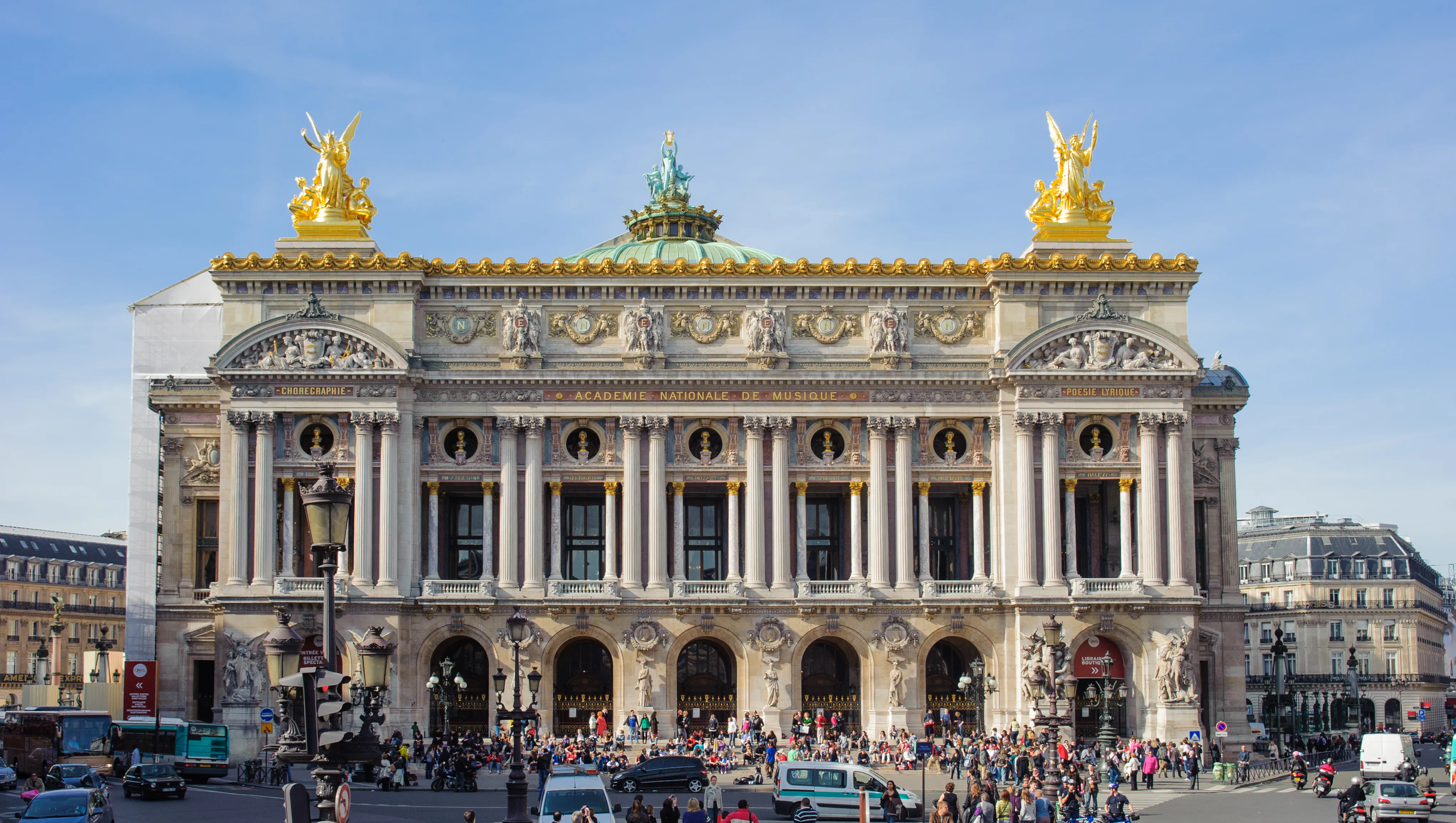
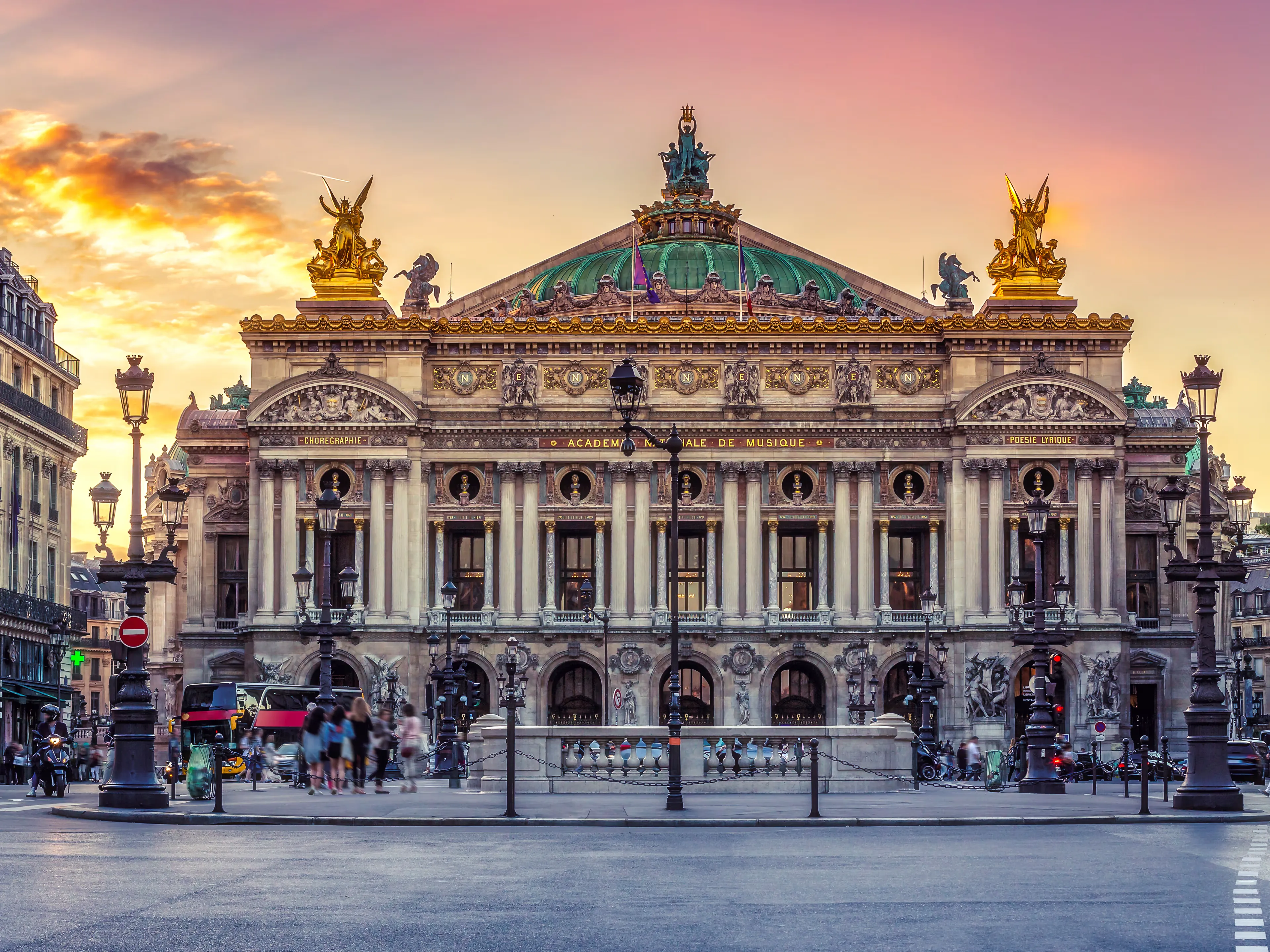
Opened in 1875 and named for its architect, Charles Garnier, the Palais Garnier is the jewel of Second Empire Paris — part theater, part monument, wholly devoted to the art of arriving in style.
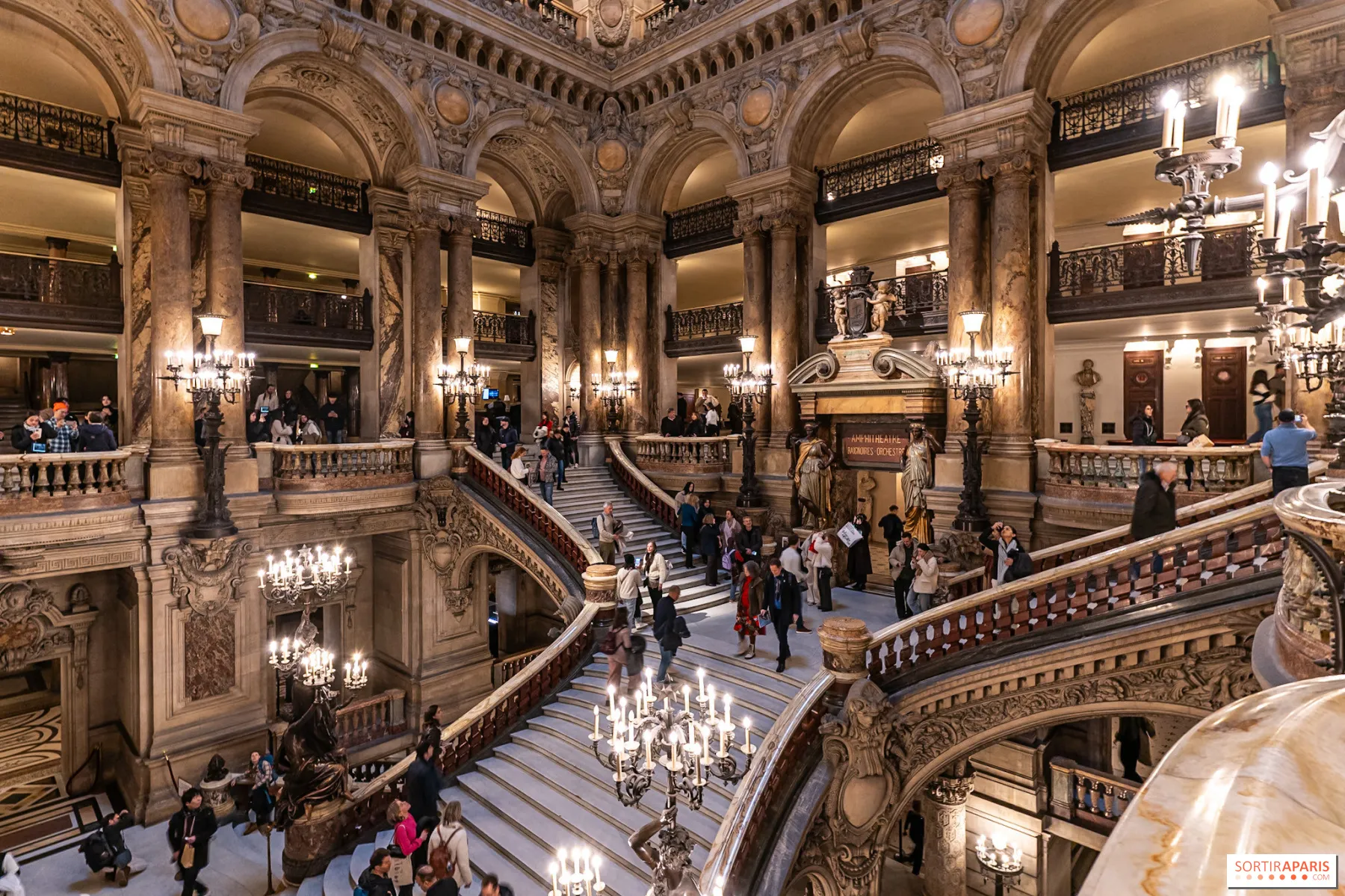
Marble and onyx climb in tiers, caryatids lean toward conversation, and chandeliers float like planets over staircases designed not only for movement but for spectacle.
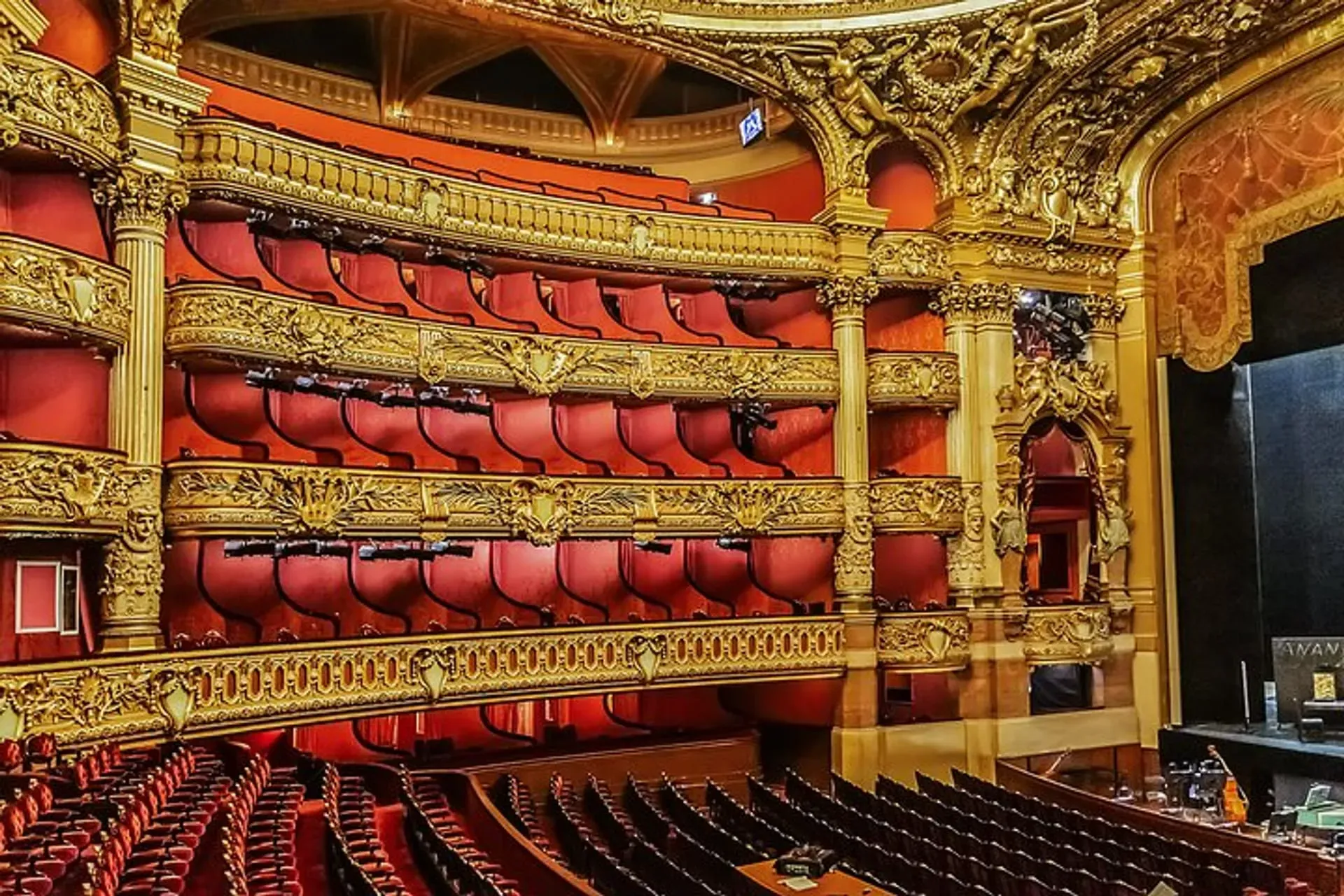
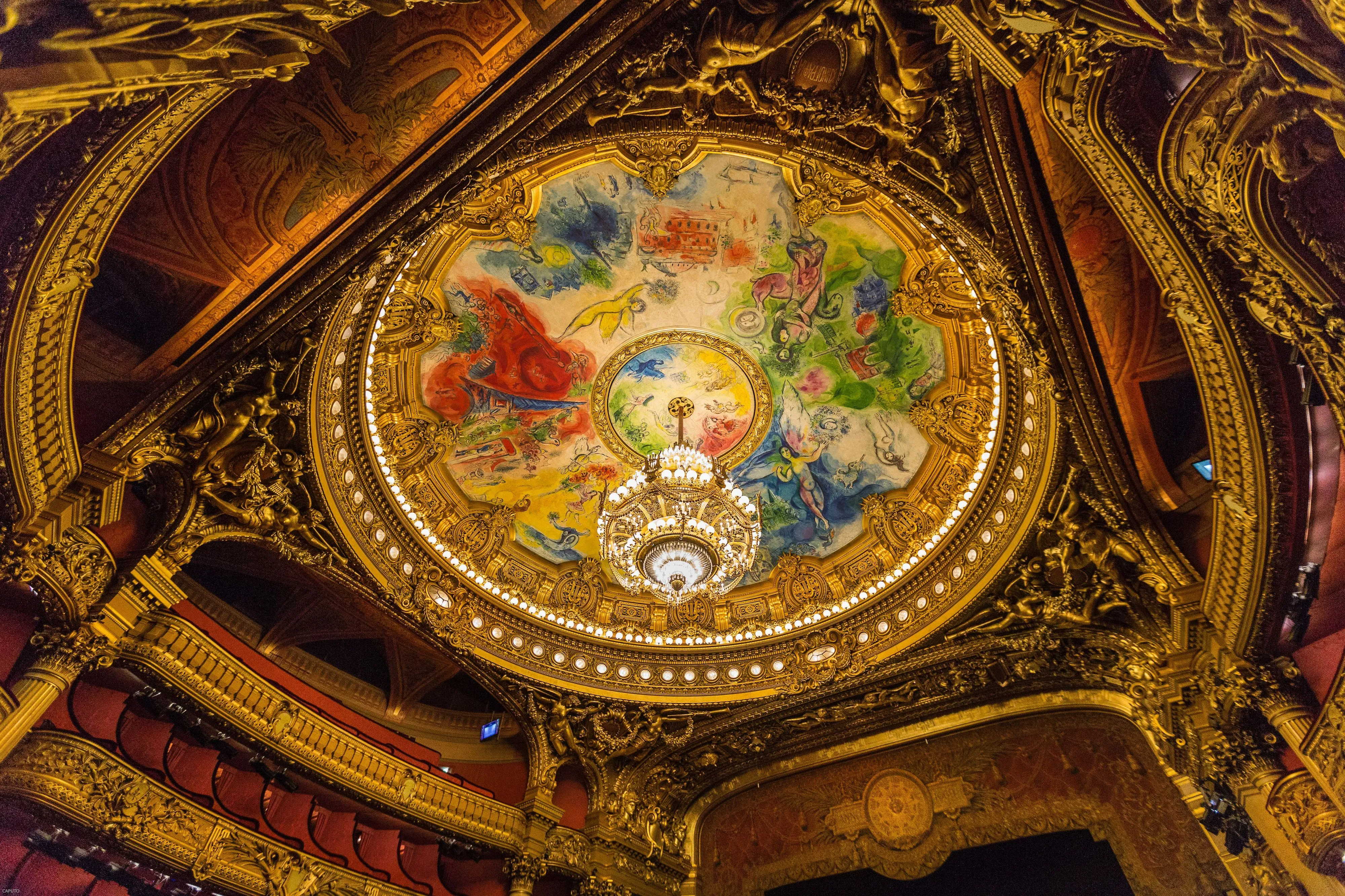
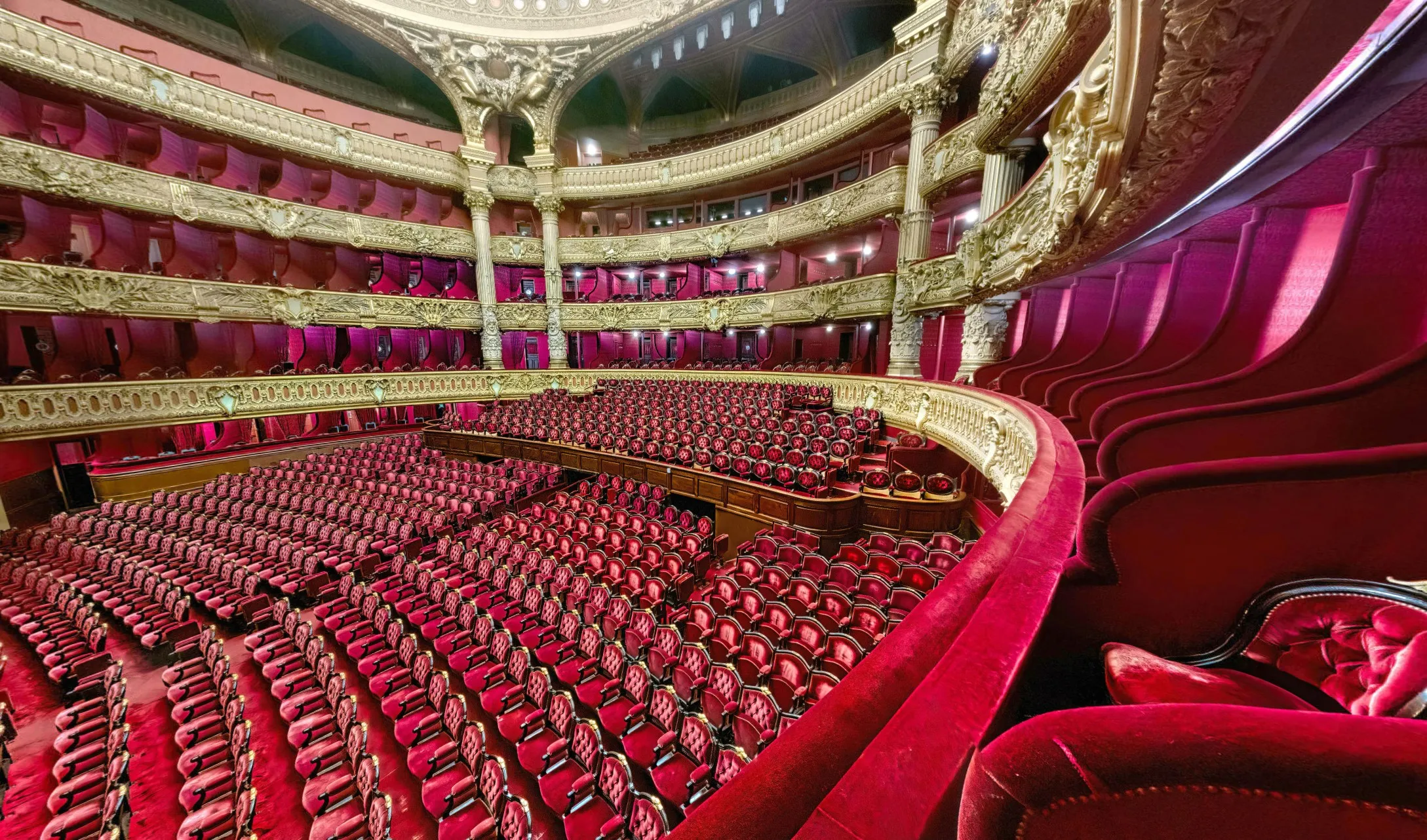
Today’s visit is not about the evening’s opera so much as the house itself: its grand procession from vestibule to foyer, its auditorium glowing in red and gold, and the Marc Chagall ceiling suspended above a great crystal chandelier.
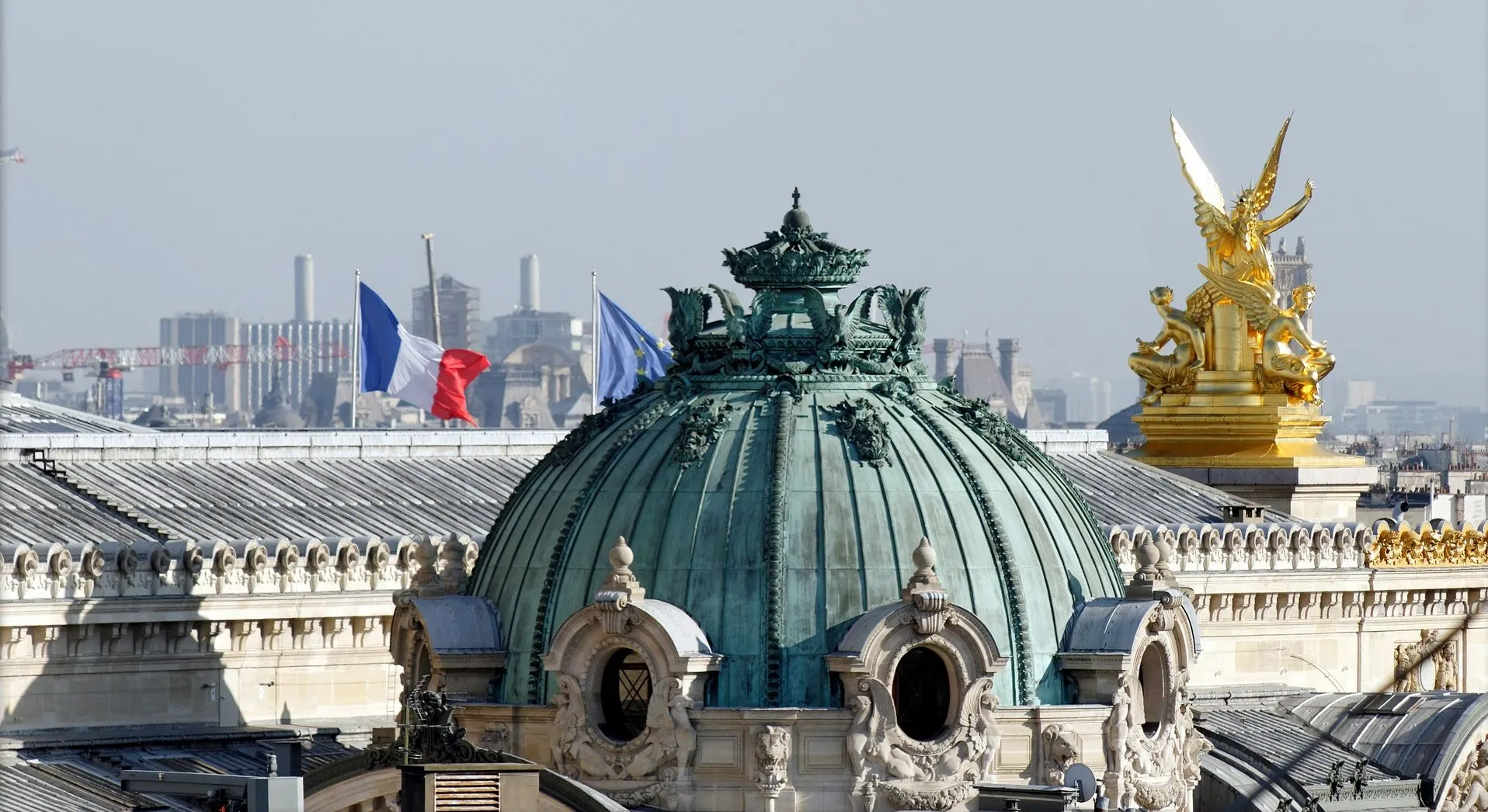
Beneath the stage, a vast water cistern mirrors the city’s myths — the ‘lake’ that inspired the Phantom’s legend — while above, bees quietly make Opéra honey on the rooftops.
Come for the architecture; stay for the stories baked into stone and gilt..
Palais Garnier Visiting timetable
See the full schedule below (hours vary with rehearsals, events, and seasons; the auditorium may close temporarily)
Palais Garnier Closing Days
Occasional closures for rehearsals, performances, maintenance, and public holidays; some spaces may close without notice — check the calendar
Where is Located
Place de l’Opéra, 75009 Paris, France
How to Get to the Palais Garnier
In the 9th arrondissement, the Palais Garnier stands at the heart of the grands boulevards. It’s easy to reach by métro, RER, bus, bike, or on foot.
By Train
Métro Lines 3, 7, and 8 stop at Opéra; RER A stops at Auber; RER E at Haussmann–Saint‑Lazare. From any exit, the palace is a short walk across Place de l’Opéra.
By Car
Traffic can be dense and parking limited. Underground car parks exist nearby, but public transport or taxis/ride‑hailing are often more convenient.
By Bus
Many bus lines serve Opéra and the boulevards. Check current routes, which may change with works and events.
On Foot
A fine stroll from the grands magasins (Galeries Lafayette, Printemps), Place Vendôme, or the Louvre. Approaching from Avenue de l’Opéra offers the classic façade view.
Highlights of the Palais Garnier
Climb the Grand Staircase, stand beneath Marc Chagall’s ceiling in the auditorium (when accessible), and linger in the Grand Foyer — a Parisian ‘Hall of Mirrors’ built for display and delight.
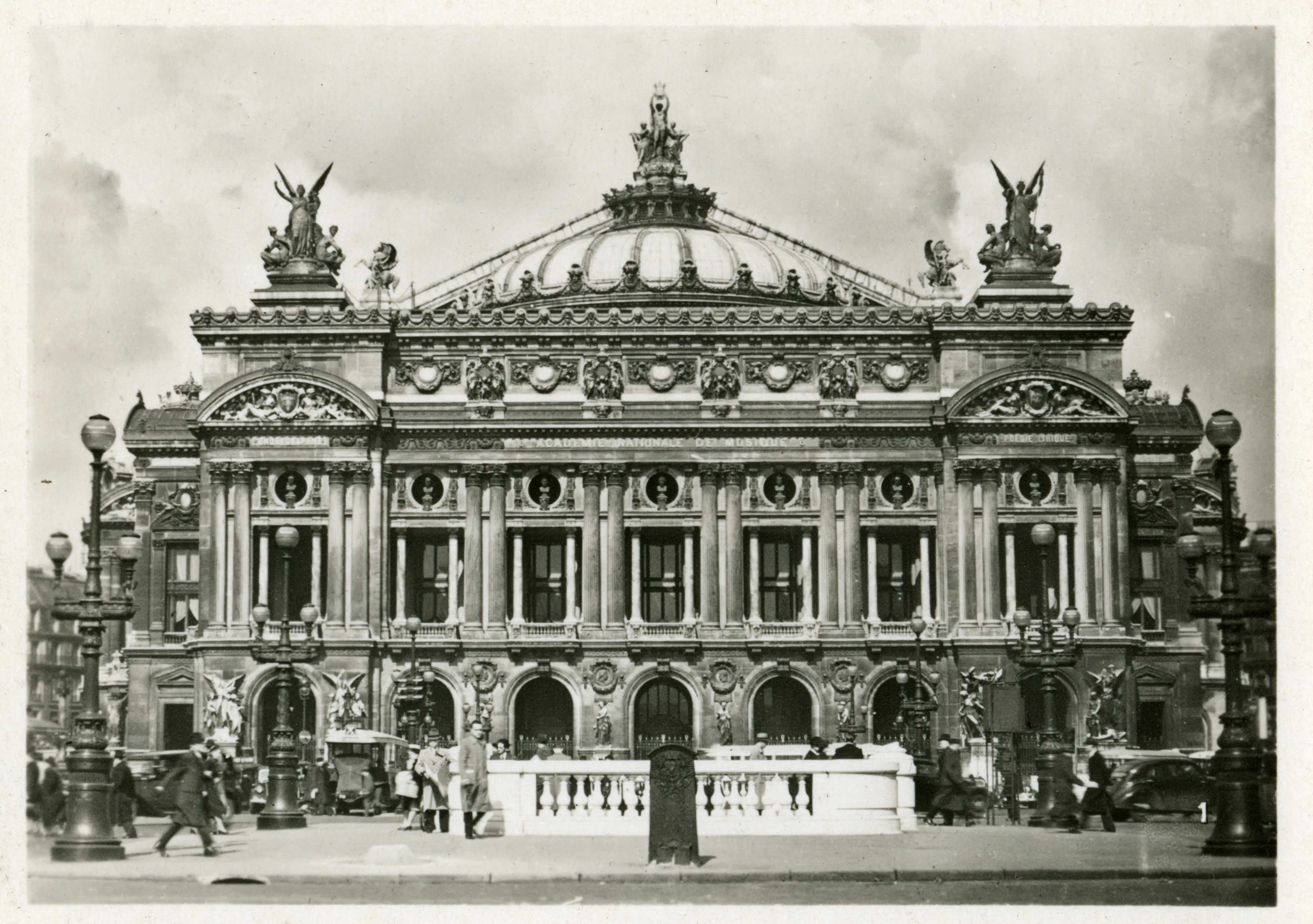
Palais Garnier: Origins, Competition, and Charles Garnier’s Vision
From Napoleon III’s commission to Charles Garnier’s winning design—trace how a bold architectural vision became Paris’s ...
Learn More →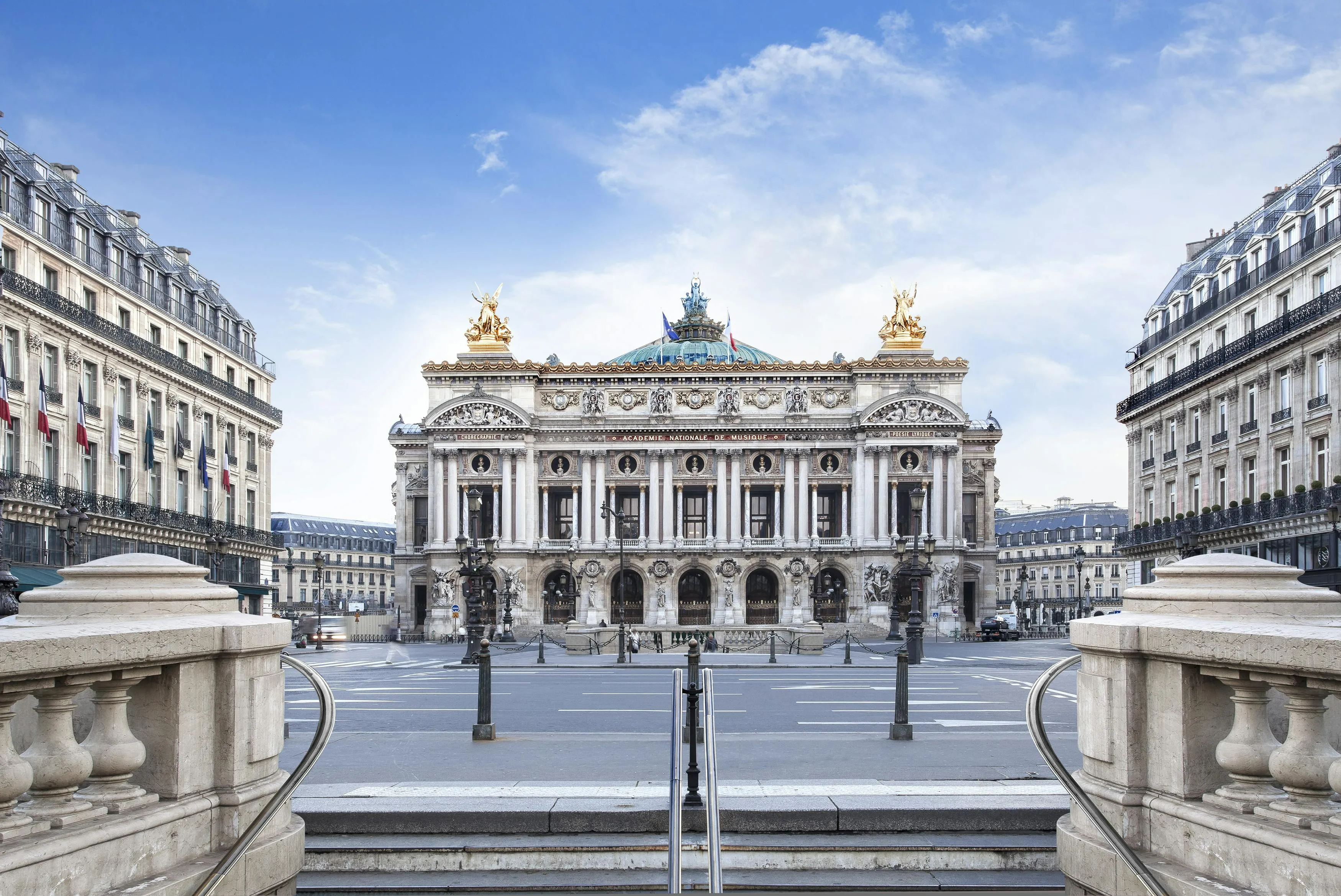
Facade and City: Haussmann’s Axis and the Opera’s Urban Theater
How the Palais Garnier’s facade and surrounding boulevards stage arrival, align sightlines, and turn the city into a per...
Learn More →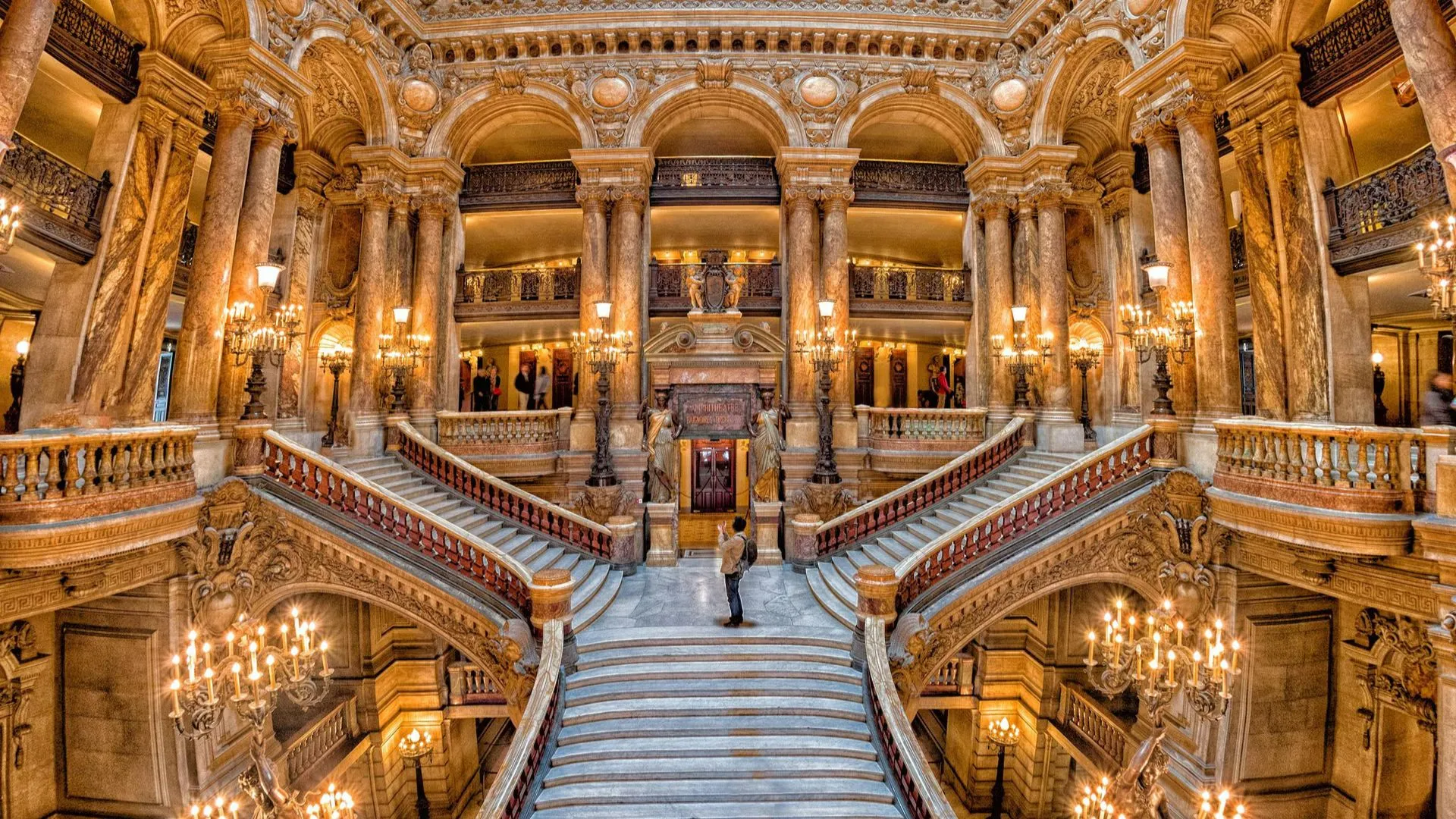
Palais Garnier
The Grand Staircase
A sweeping procession of marble, mirrors, and chandeliers where Paris once came ‘to be seen’. Balconies open like theater boxes over the very act of arriving.
Auditorium & Chagall Ceiling
Red velvet, gilding, and a great crystal chandelier center the room; above, Marc Chagall’s 1964 ceiling floats in color. Access may vary during rehearsals.
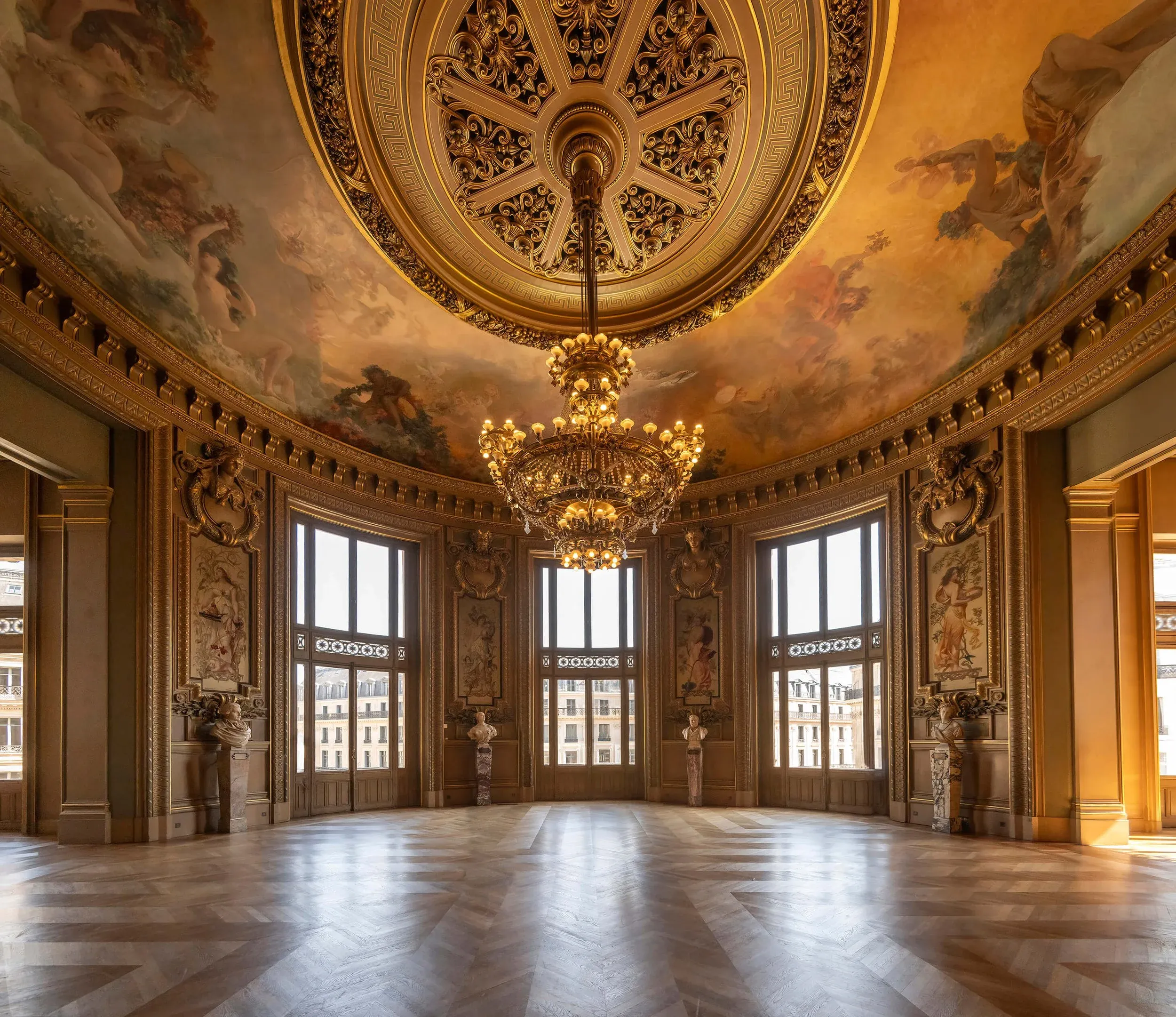
Grand Foyer & Salons
As dazzling as Versailles’ Hall of Mirrors: gilded pilasters, painted vaults, and windows that frame Paris. Nearby salons celebrate sun, moon, and the art of intermission.
Curiosities about the Palais Garnier
Quick answers about tours, access, and the legends that make this palace unforgettable.
Buy a ticket for the Palais Garnier
Visit Paris’s most theatrical palace — a masterpiece of 19th‑century architecture.
Secure your preferred entry time and explore foyers, staircases, and the auditorium (when accessible) without the rush.