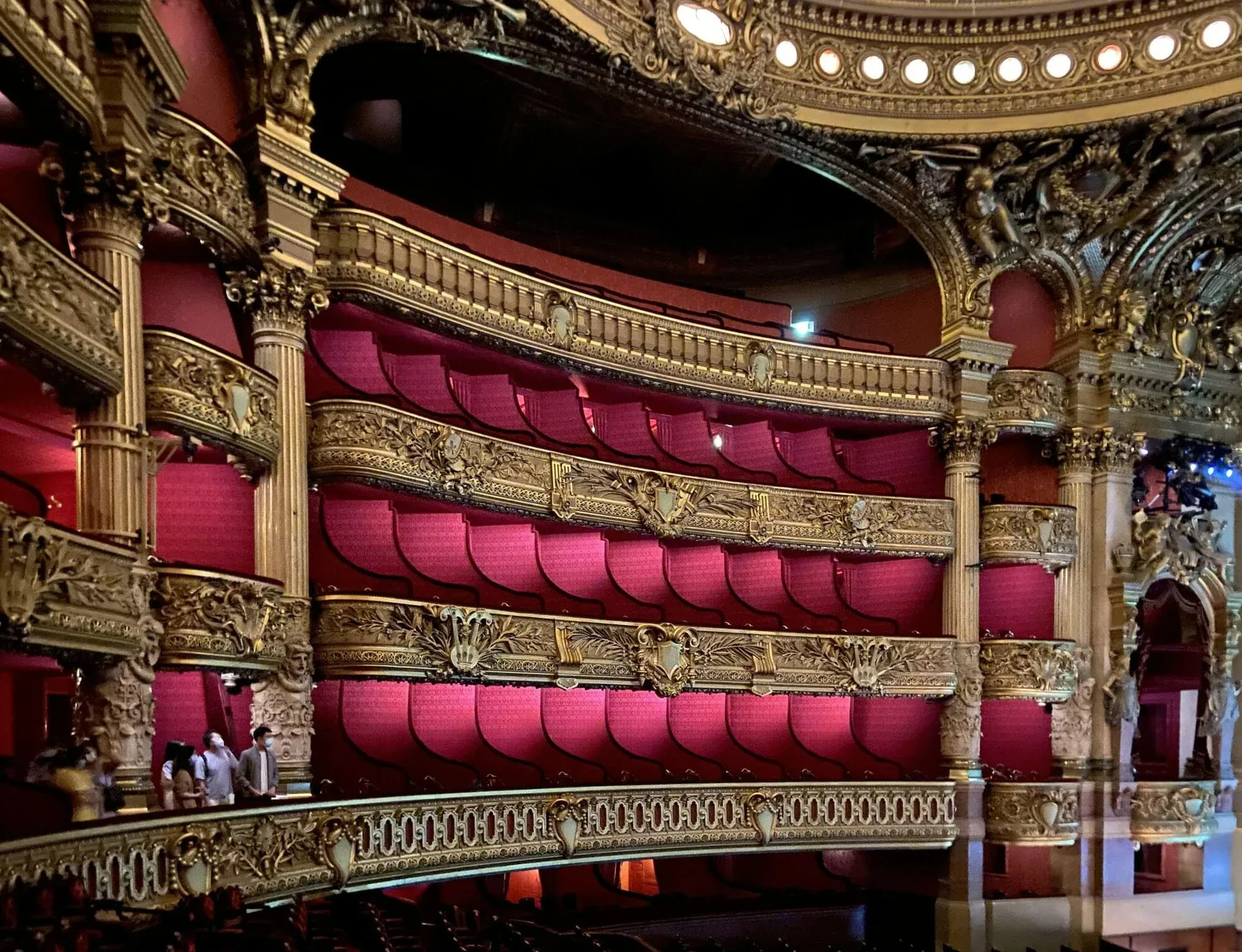
Auditorium: Acoustics, Horseshoe Seating, and the Breath of Sound
Inside the horseshoe auditorium—learn how geometry, materials, and crowd shape reverberation and intimacy across opera and ballet nights.
→
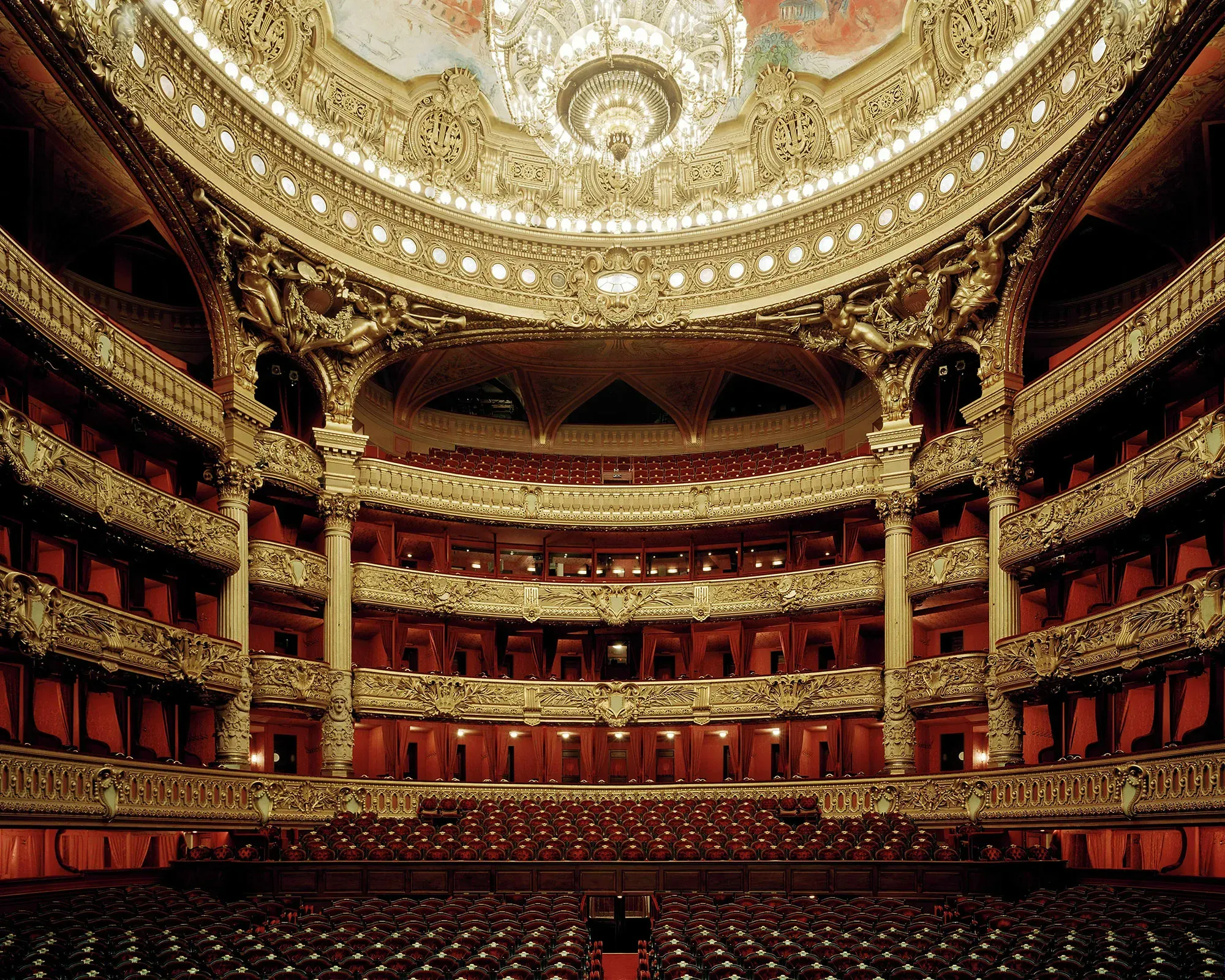
The Orchestra Pit: Sightlines, Blend, and Balancing Worlds
The pit mediates stage and audience—learn how sightlines, acoustics, and seating balance singers, dancers, and the orchestra.
→
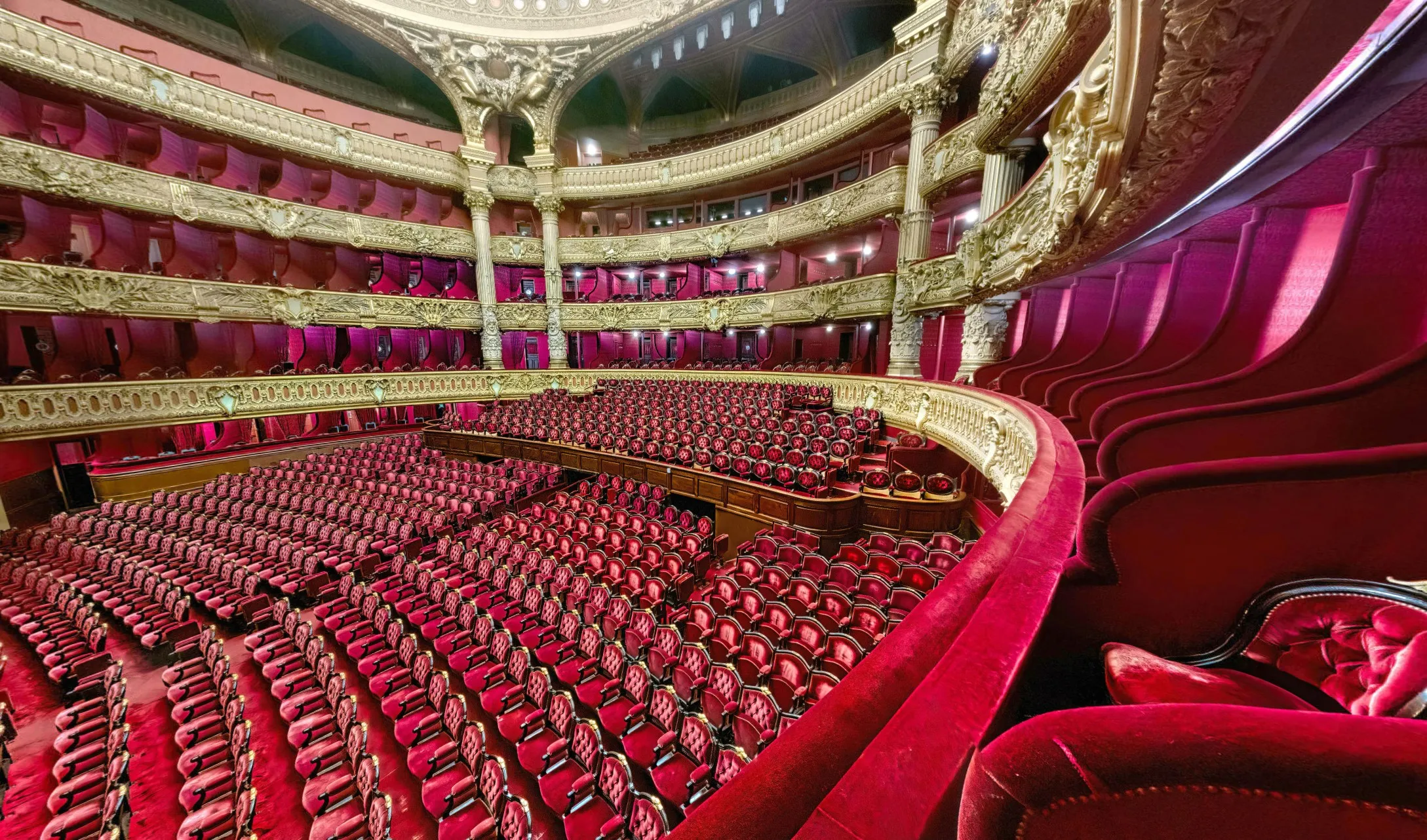
Paris Opera Ballet: Technique, Repertoire, and the Stage as Instrument
A concise primer on the Paris Opera Ballet—training, hallmark techniques, and how the Garnier stage shapes repertoire.
→
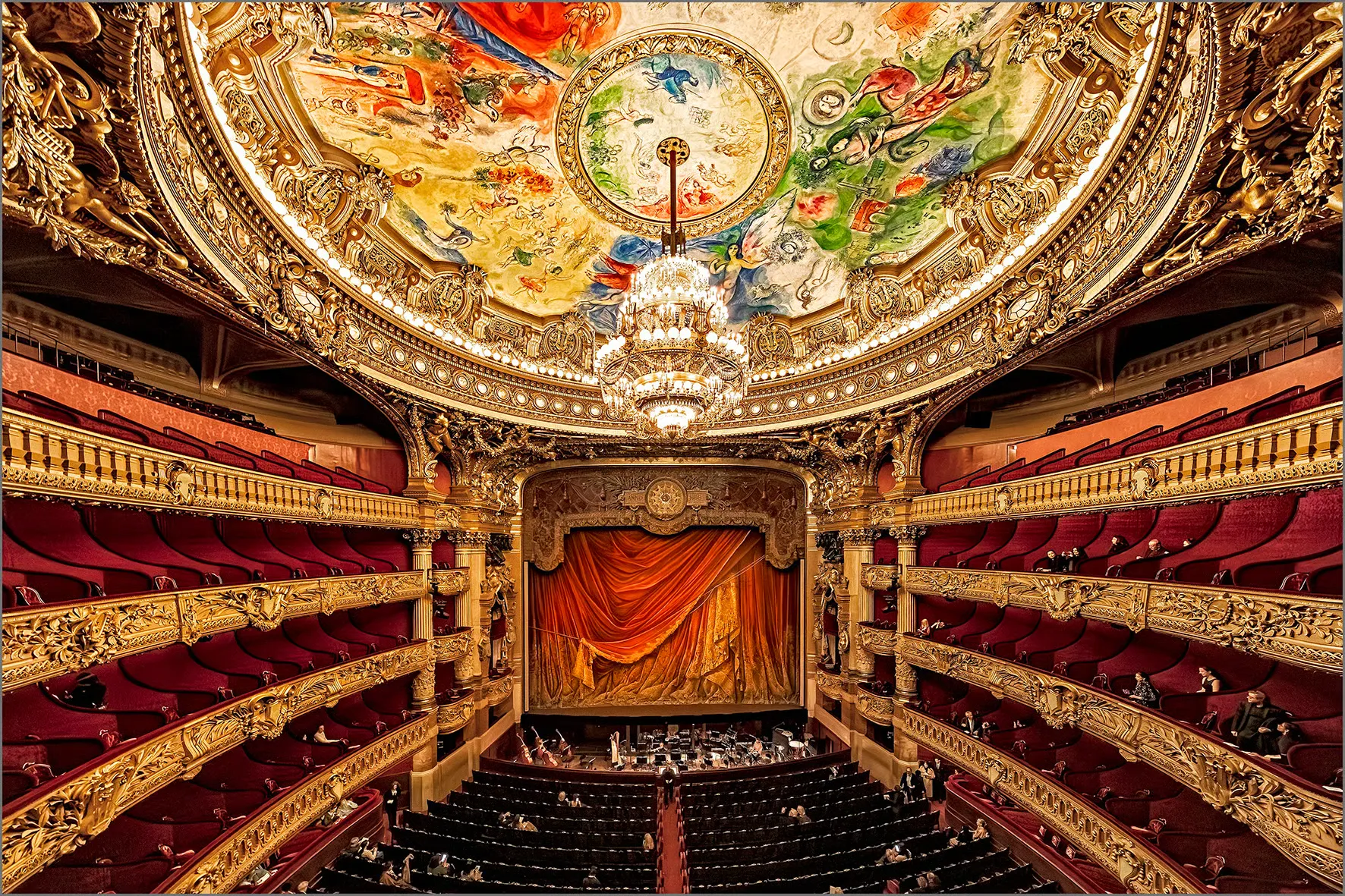
Opera Repertoire: Voice, Drama, and Space Working Together
Opera at Garnier balances voice and drama—learn how staging, acoustics, and audience wrap create immersion.
→
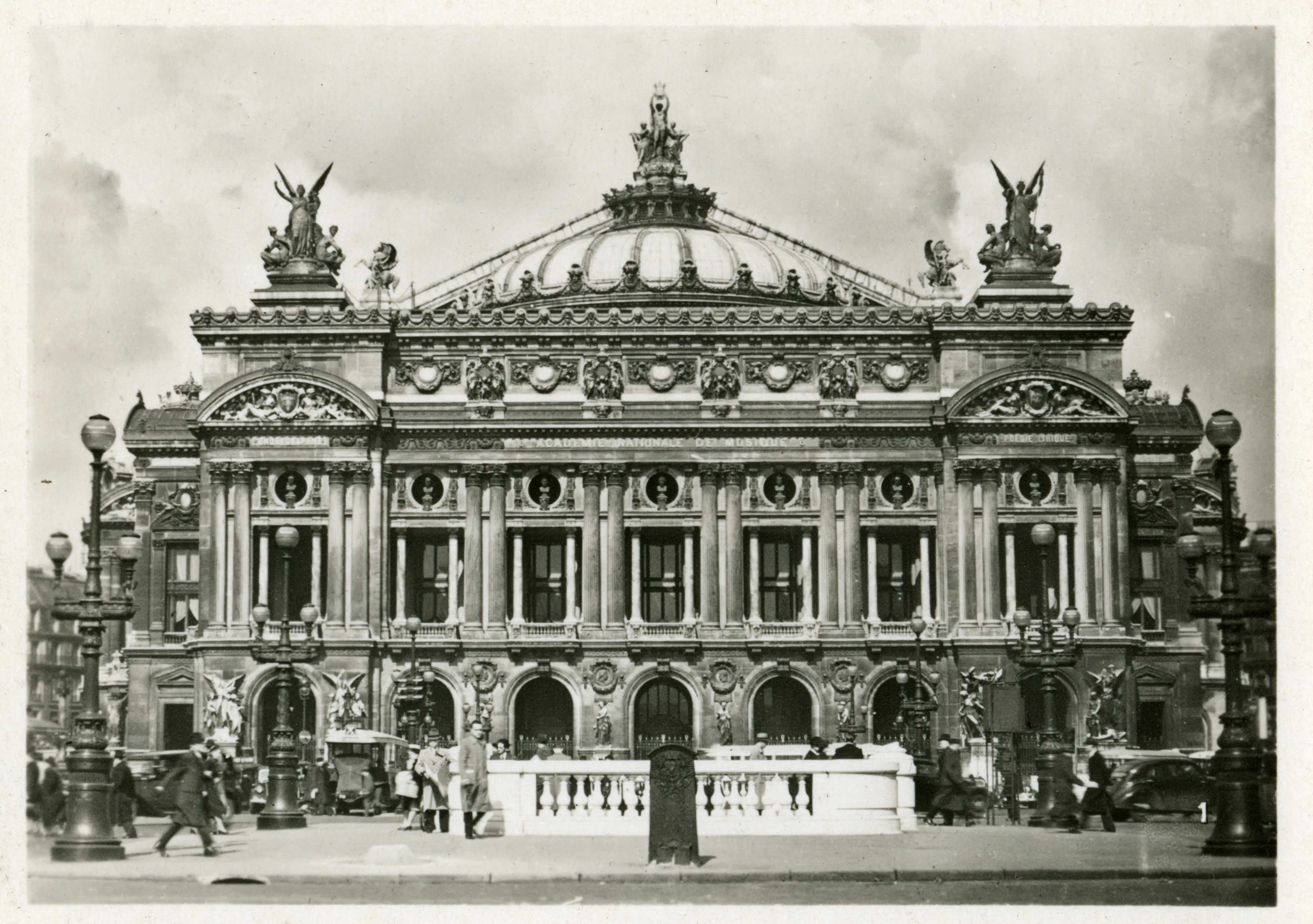
Palais Garnier: Origins, Competition, and Charles Garnier’s Vision
From Napoleon III’s commission to Charles Garnier’s winning design—trace how a bold architectural vision became Paris’s opera palace.
→
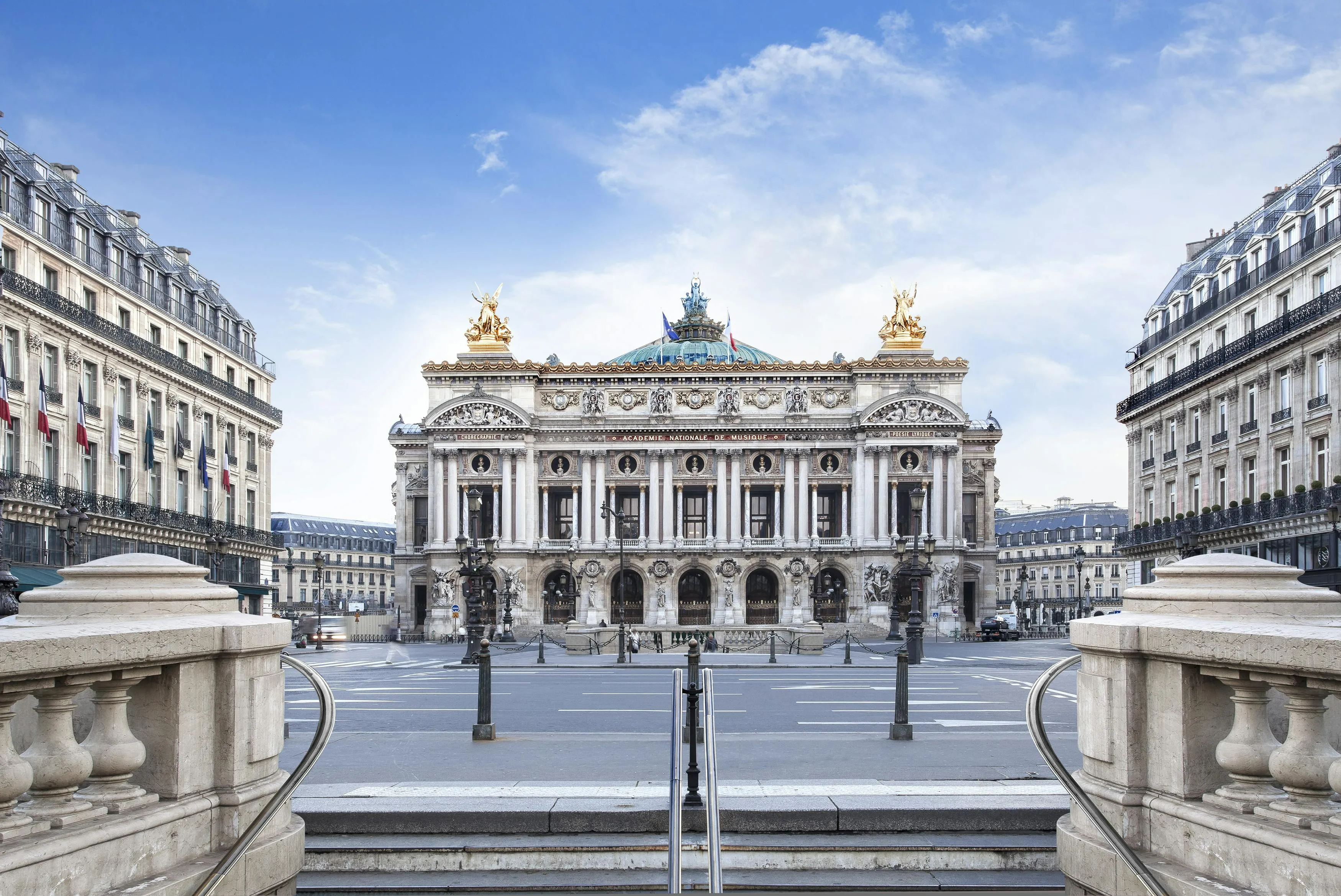
Facade and City: Haussmann’s Axis and the Opera’s Urban Theater
How the Palais Garnier’s facade and surrounding boulevards stage arrival, align sightlines, and turn the city into a performance.
→
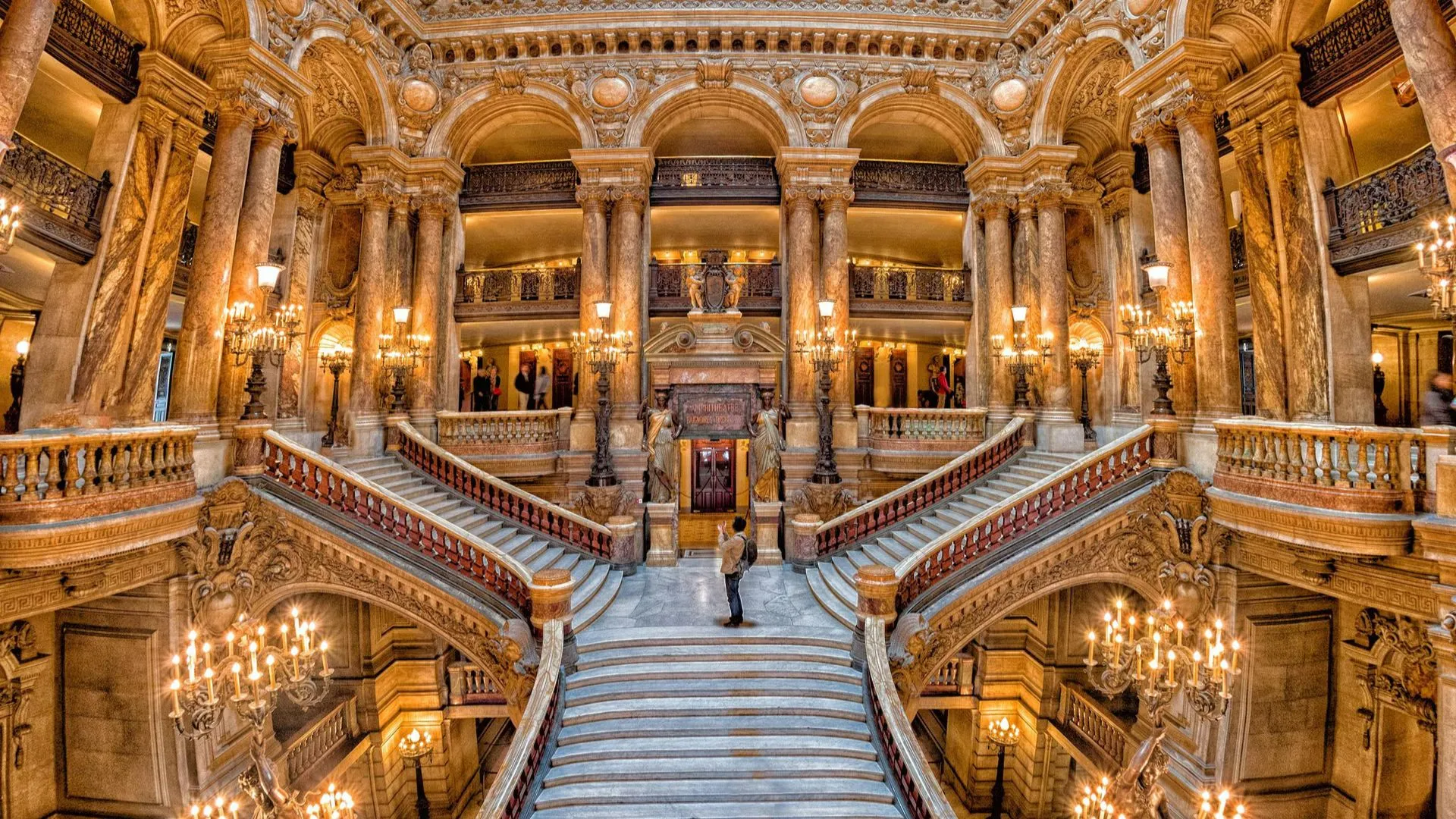
The Grand Staircase: Marble, Procession, and Iconography
Inside the Palais Garnier, the grand staircase turns movement into ritual—material, lighting, and symbols guide the audience upward.
→
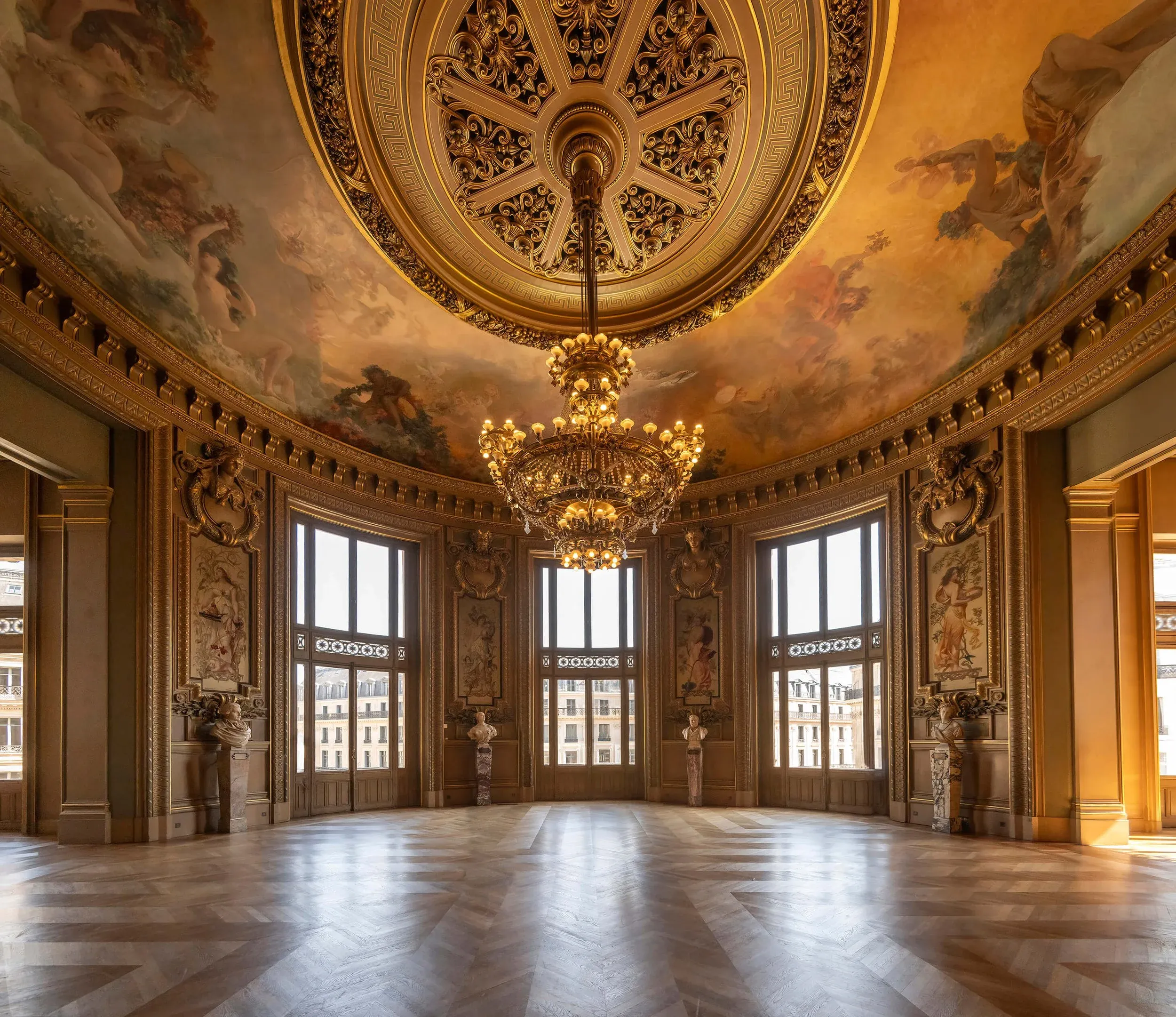
Grand Foyer: Social Theater in Gilding, Mirrors, and Light
The grand foyer is a palace within the palace—gilding, mirrors, and ceiling programs choreograph a social spectacle of intermission.
→
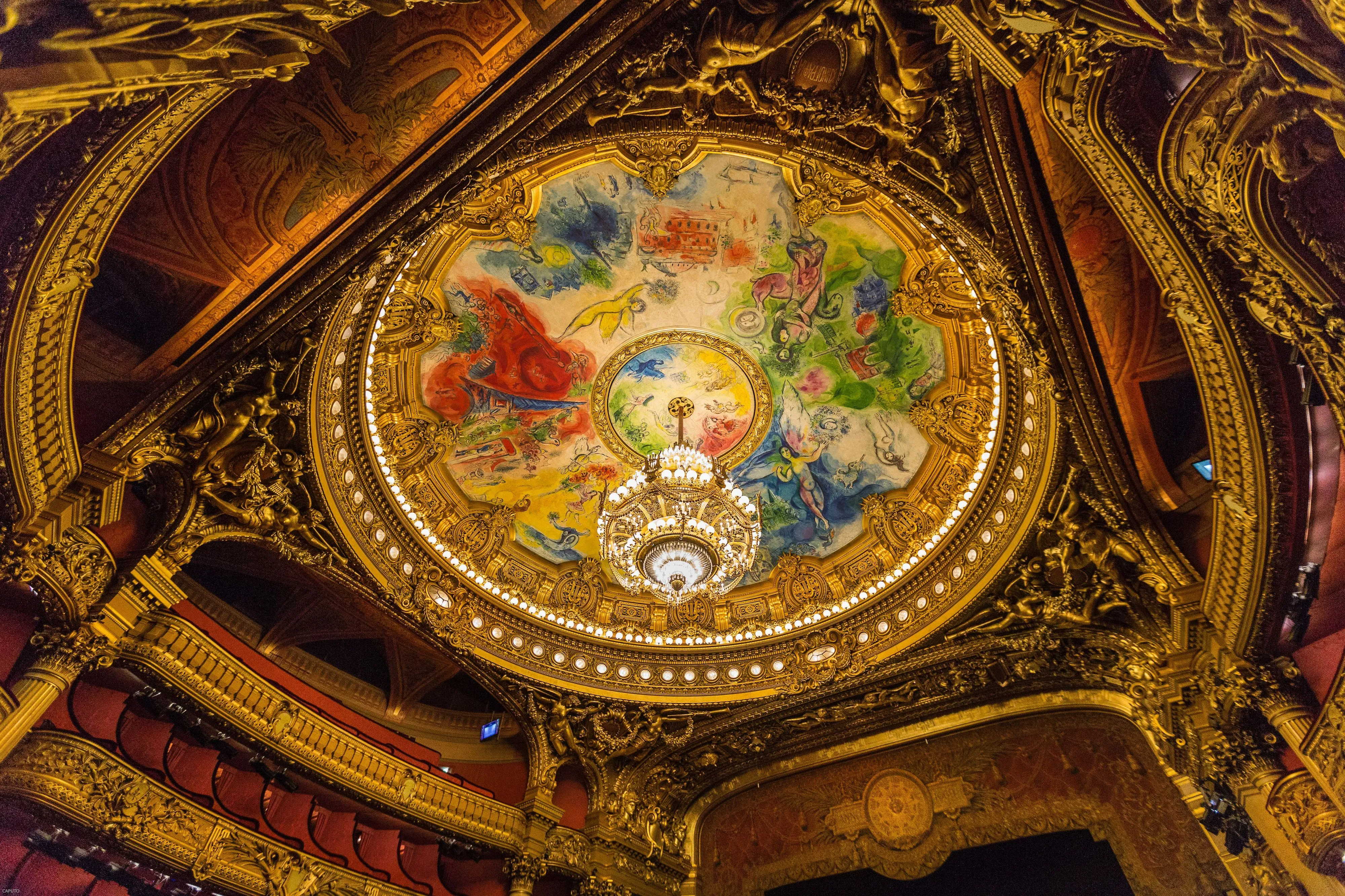
Dome and Ceiling: Program, Light, and a City Overhead
Read the auditorium dome and ceiling programs—how color and light shape atmosphere, with a note on later reinterpretations.
→
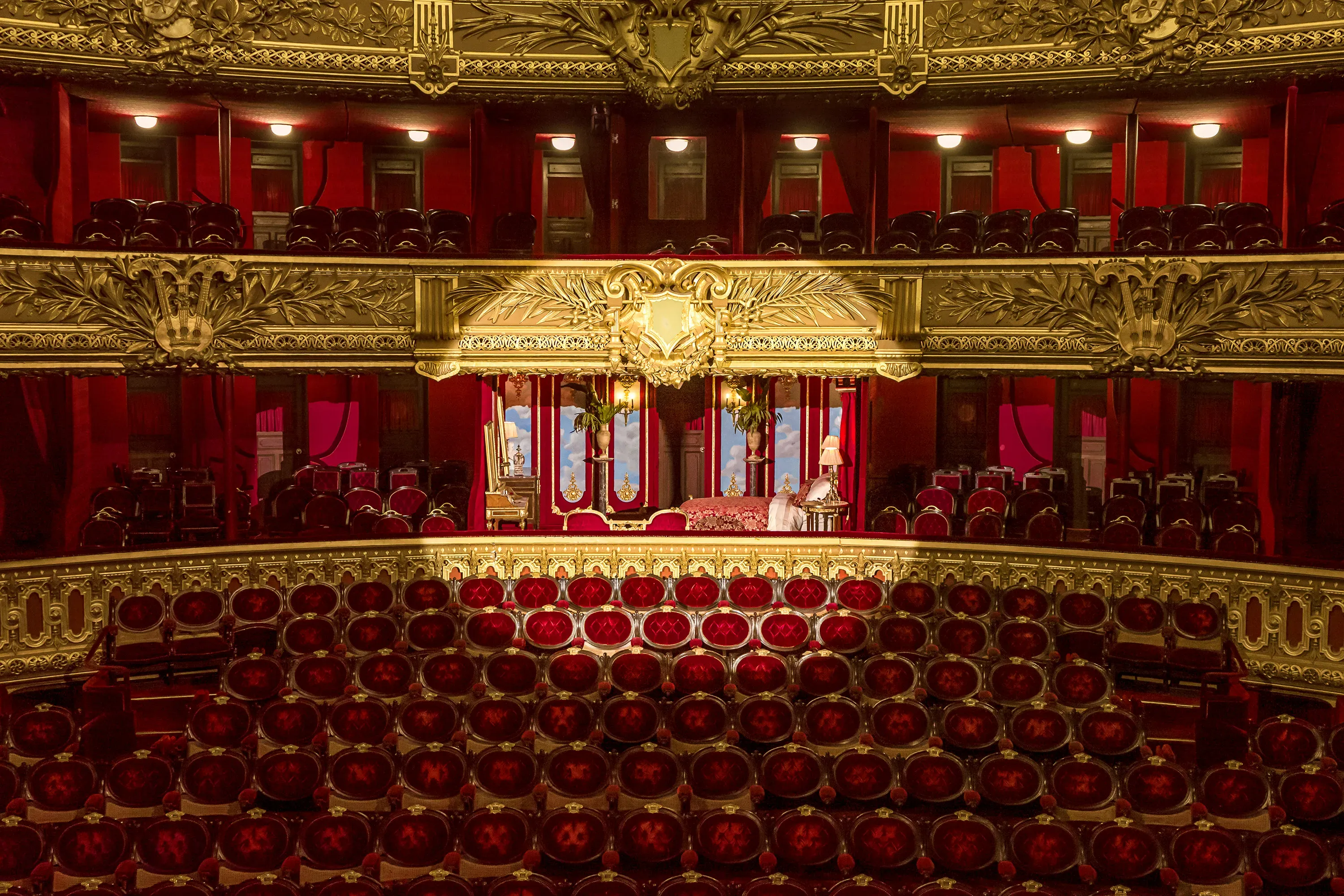
The Chandelier and Phantom Lore: History and Safety Notes
The auditorium chandelier sparks legends—here’s the history, why it matters, and how safety and maintenance keep the icon secure.
→
Stage Machinery: Fly Systems, Trapdoors, and Transforming Space
Behind the curtain—discover how rigging, trapdoors, and stage lifts reshape the opera house into a world per scene.
→
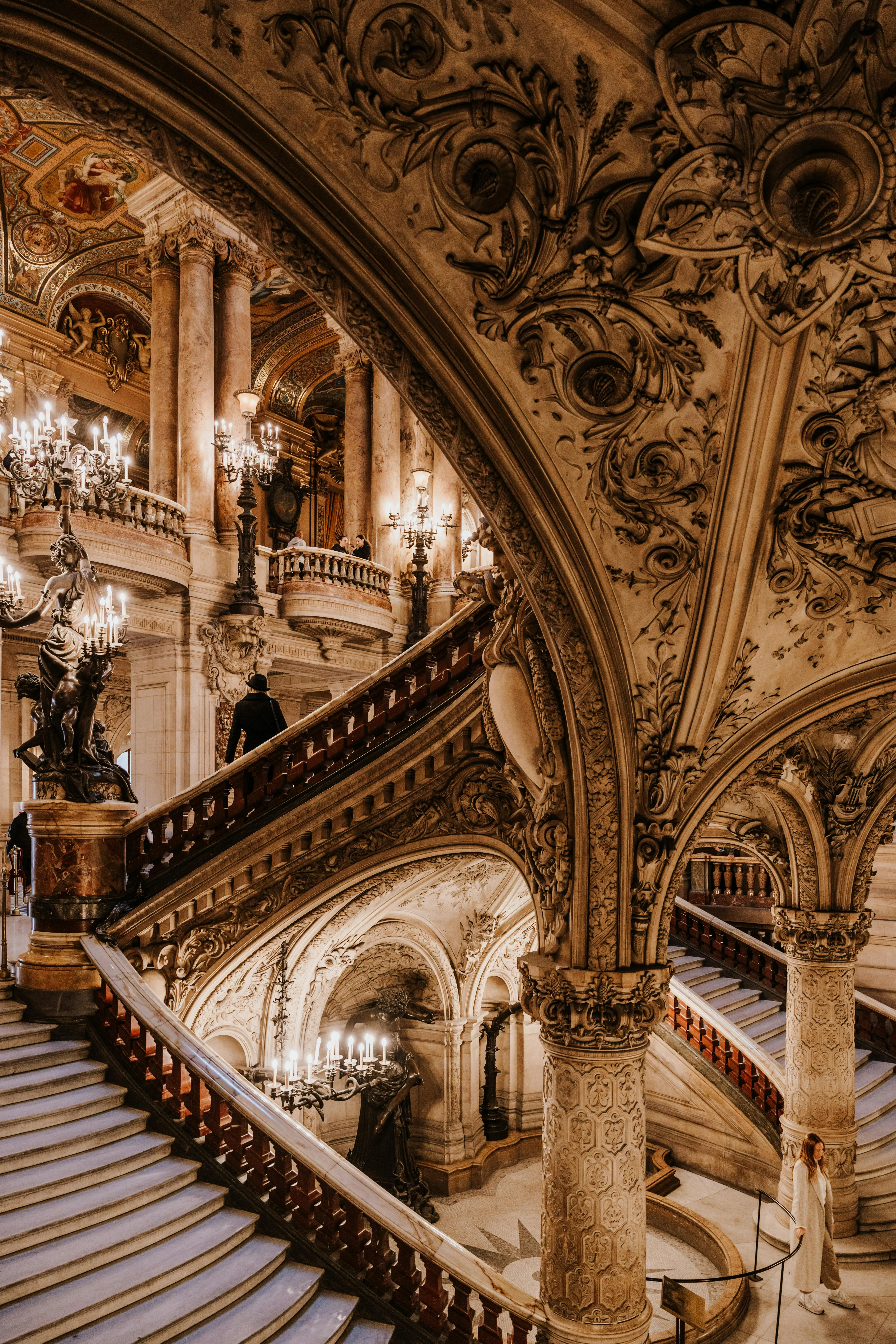
Materials and Finishes: Stone, Stucco, and Gilding in Dialogue
Explore the Palais Garnier’s material palette—stone, stucco, gilding—and how surfaces collaborate with light and touch.
→
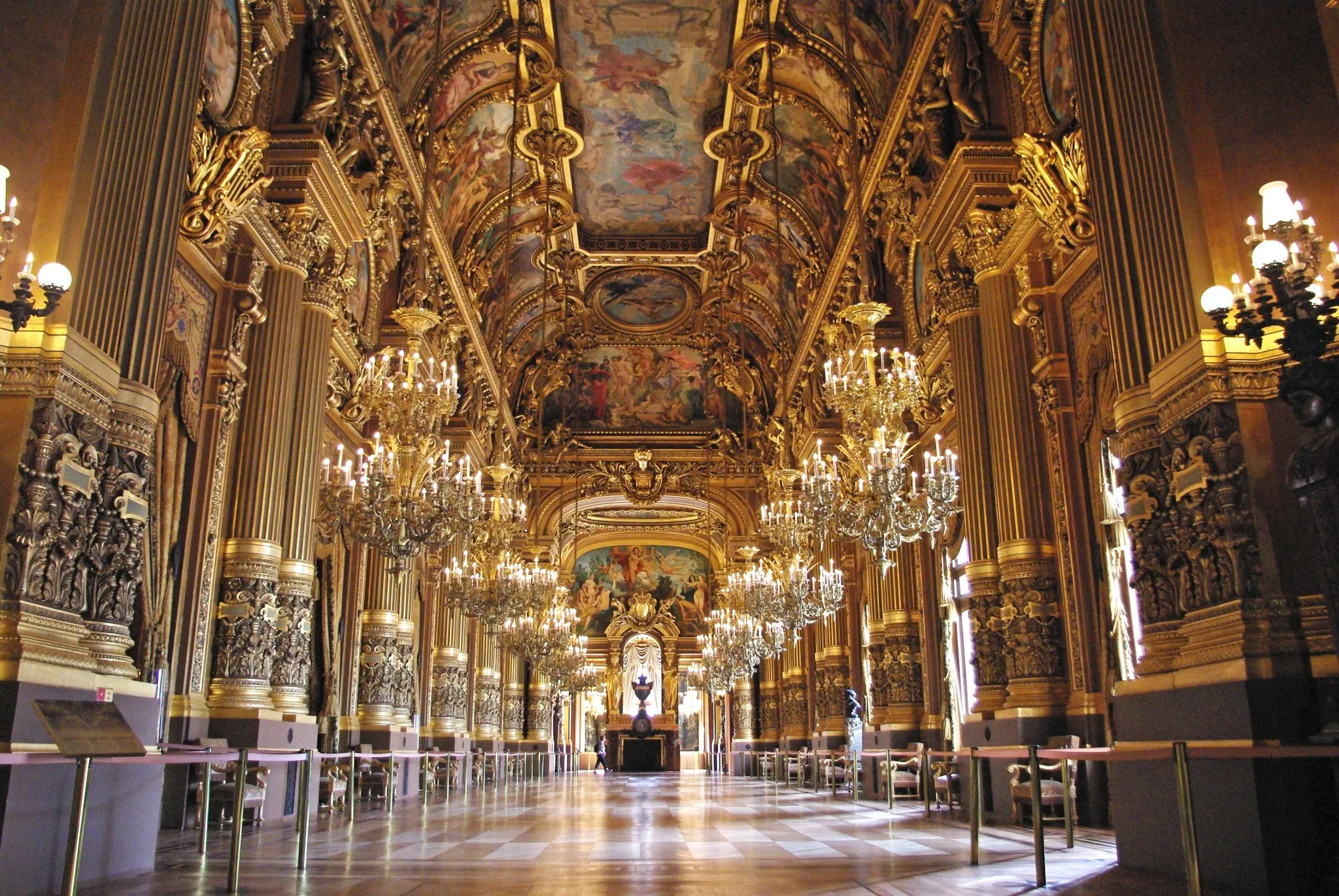
Conservation: Gilding, Marble, and Preventive Care Across Seasons
How conservation teams steward gilding and marble, manage dust and humidity, and keep the opera’s surfaces honest.
→
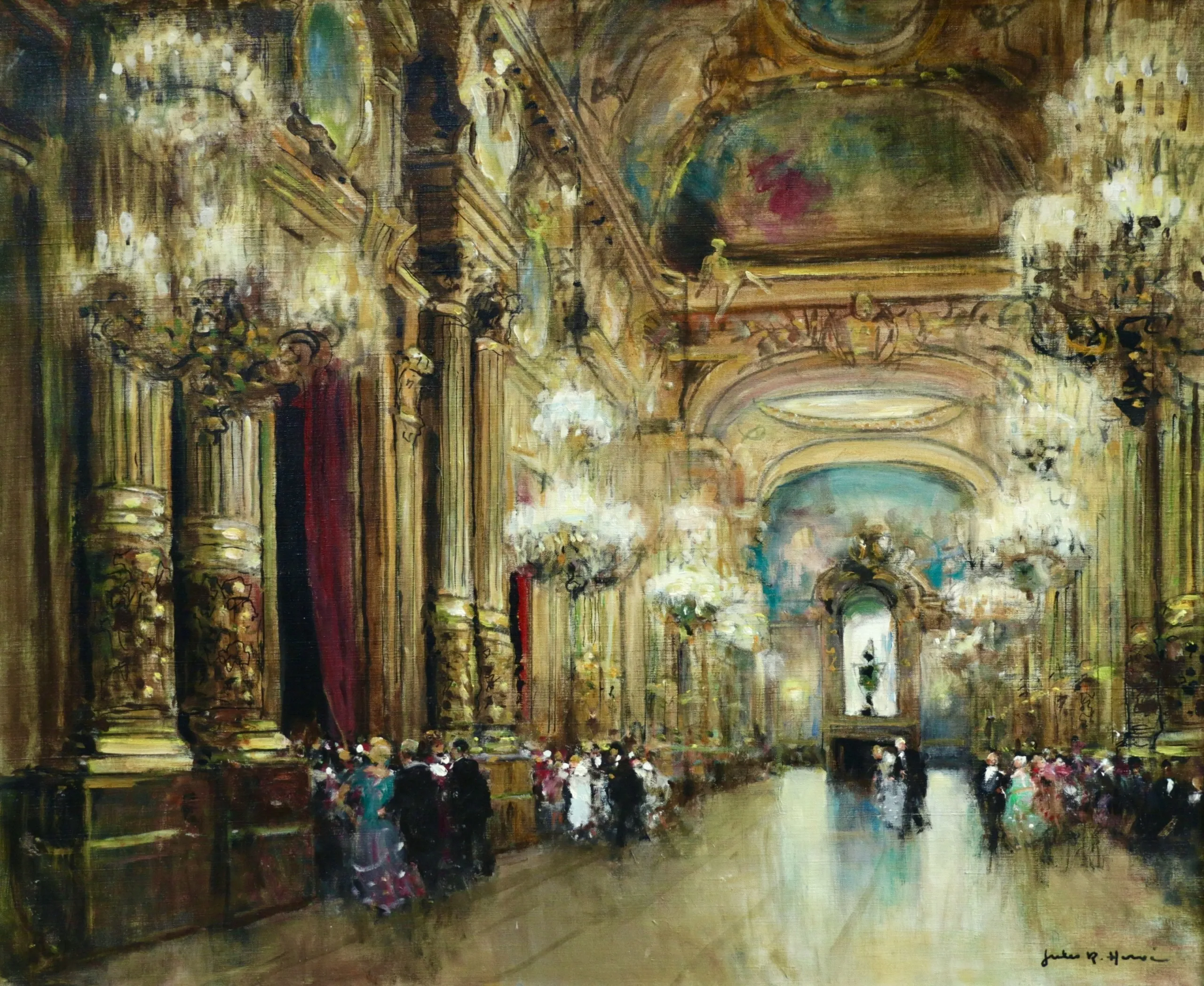
Costumes and Ateliers: Craft, Embellishment, and Movement
Behind the scenes, ateliers cut and embellish garments—read how fabric, weight, and detail transform movement on stage.
→
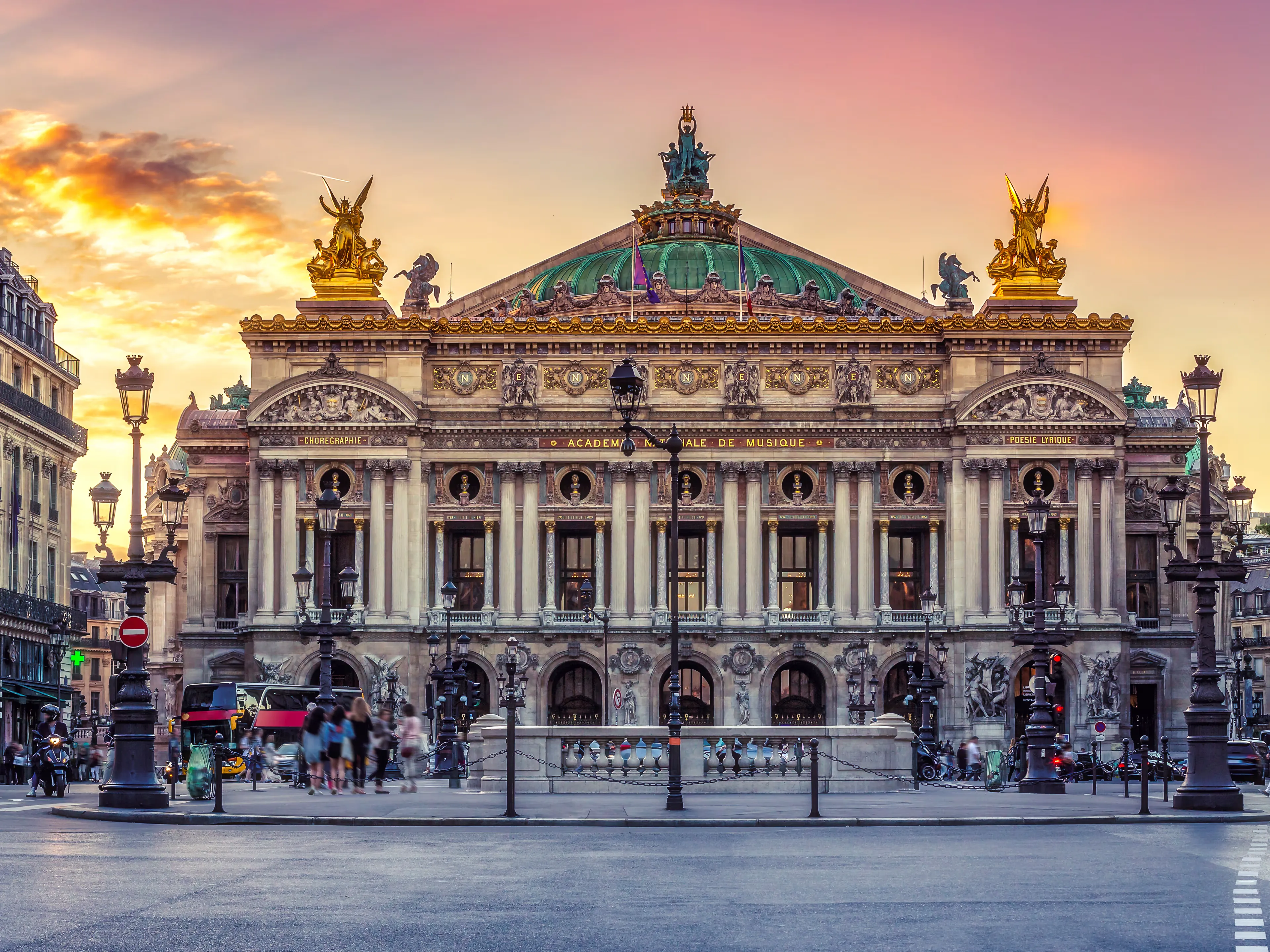
Visiting the Palais Garnier: Tickets, Hours, and Smart Tours
Plan a great visit—ticket options, hours, guided tours, best times, and nearby pairings for a rich day.
→
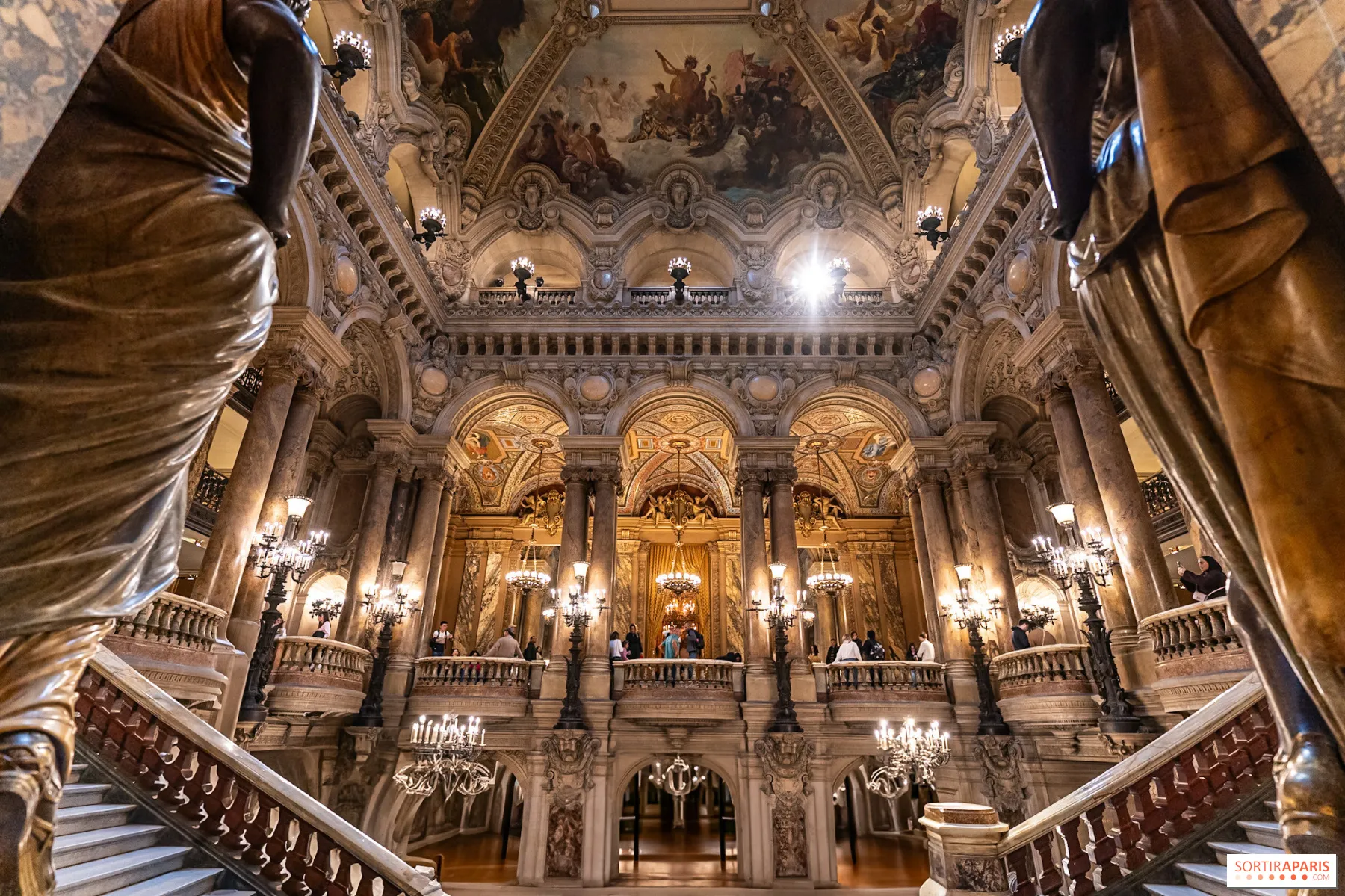
Accessibility at the Palais Garnier: Inclusive Tips and Resources
Plan an inclusive visit—mobility routes, seating, and sensory considerations for comfort and focus.
→
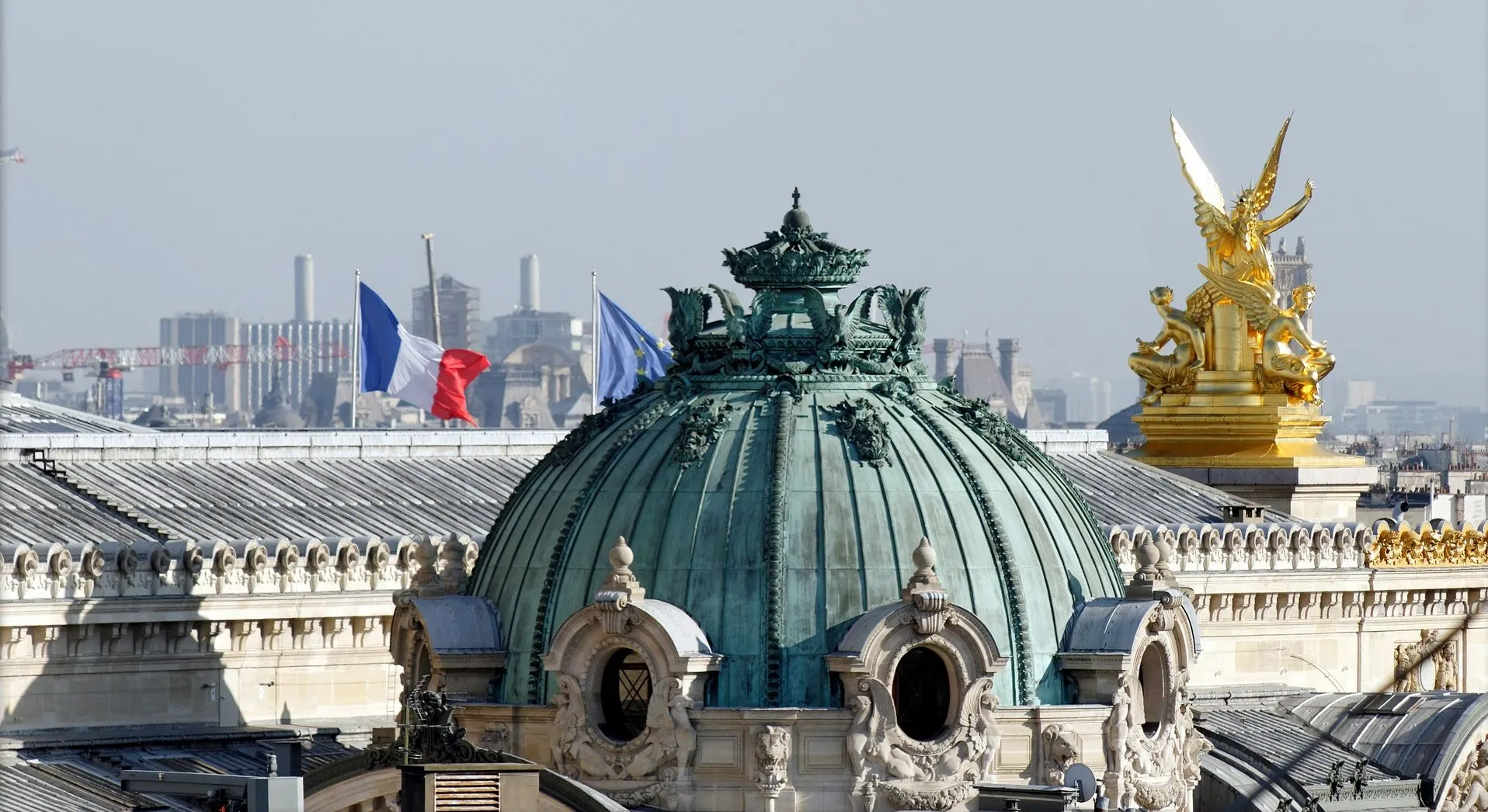
Photography at the Palais Garnier: Ethics, Angles, and Light Hacks
Respect the house while making great images—what’s allowed, best angles for major spaces, and how to avoid glare.
→
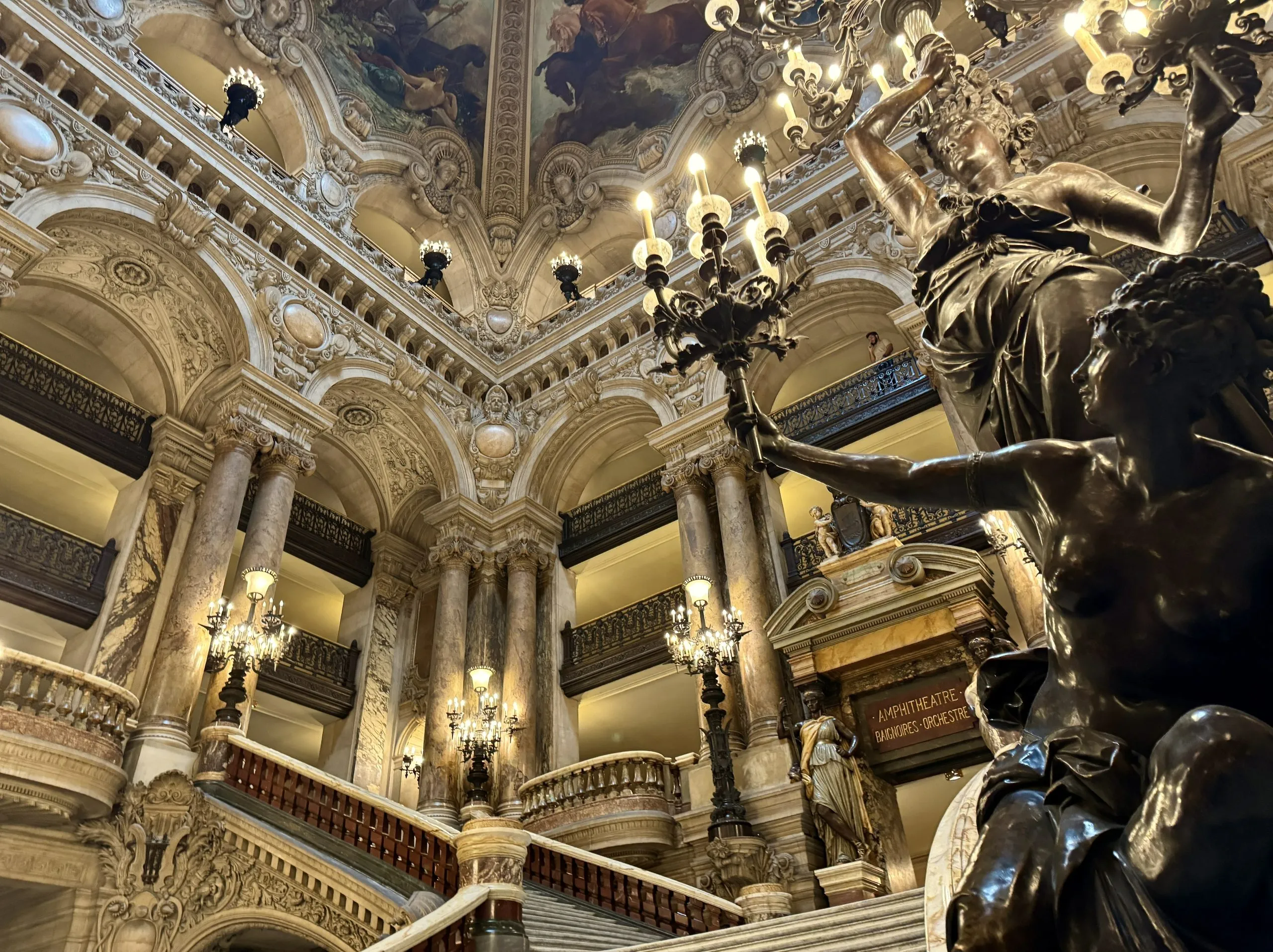
Hidden Details: Masks, Busts, and Inscriptions to Seek Out
Beyond icons—find masks, busts, inscriptions, and quiet corners where the opera’s hand is most intimate.
→
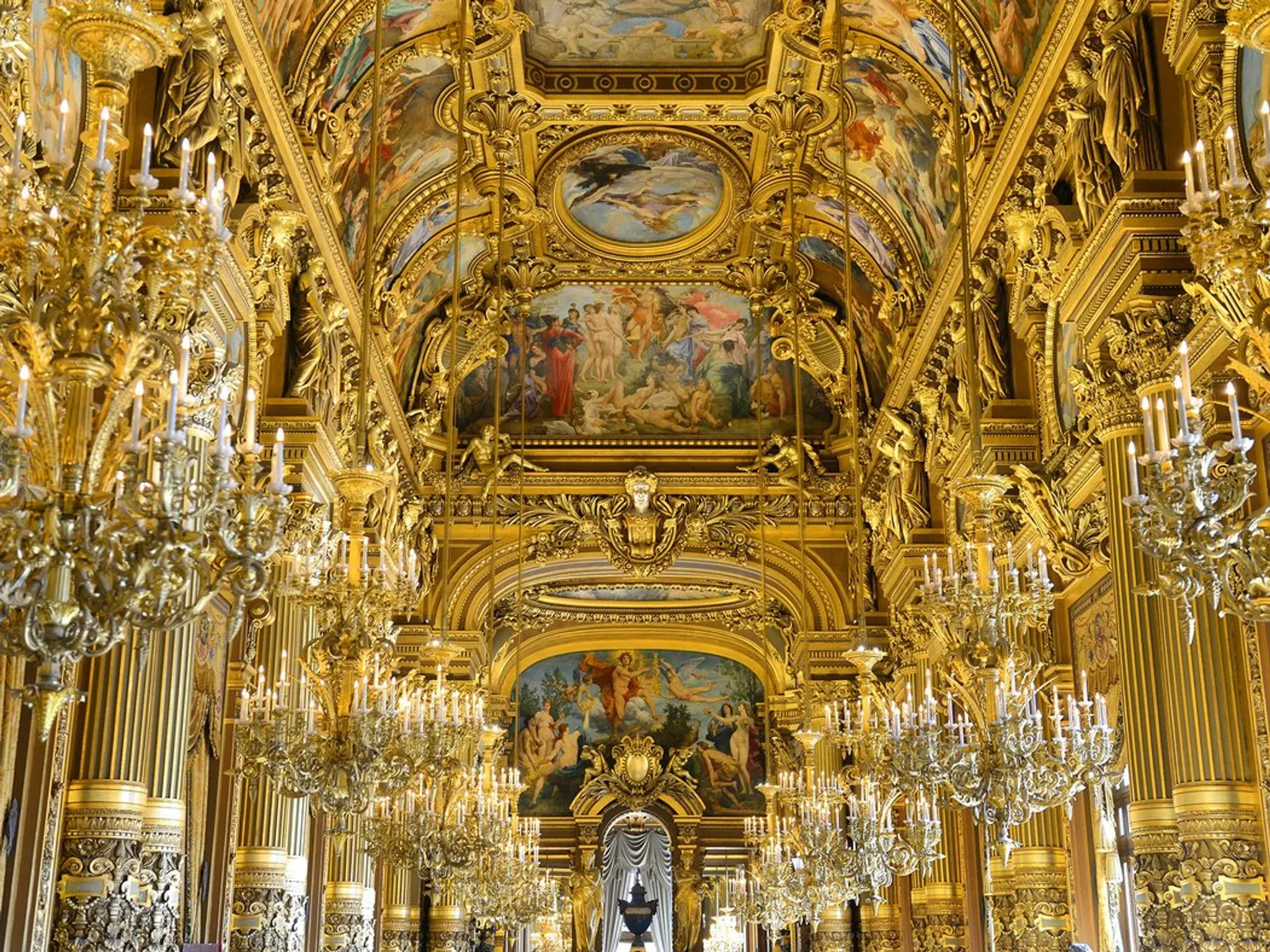
Library and Museum: Opera Archives and the Pleasure of Reading
Discover the opera’s library/museum spaces—posters, scores, and archives that let you read performance history in print.
→
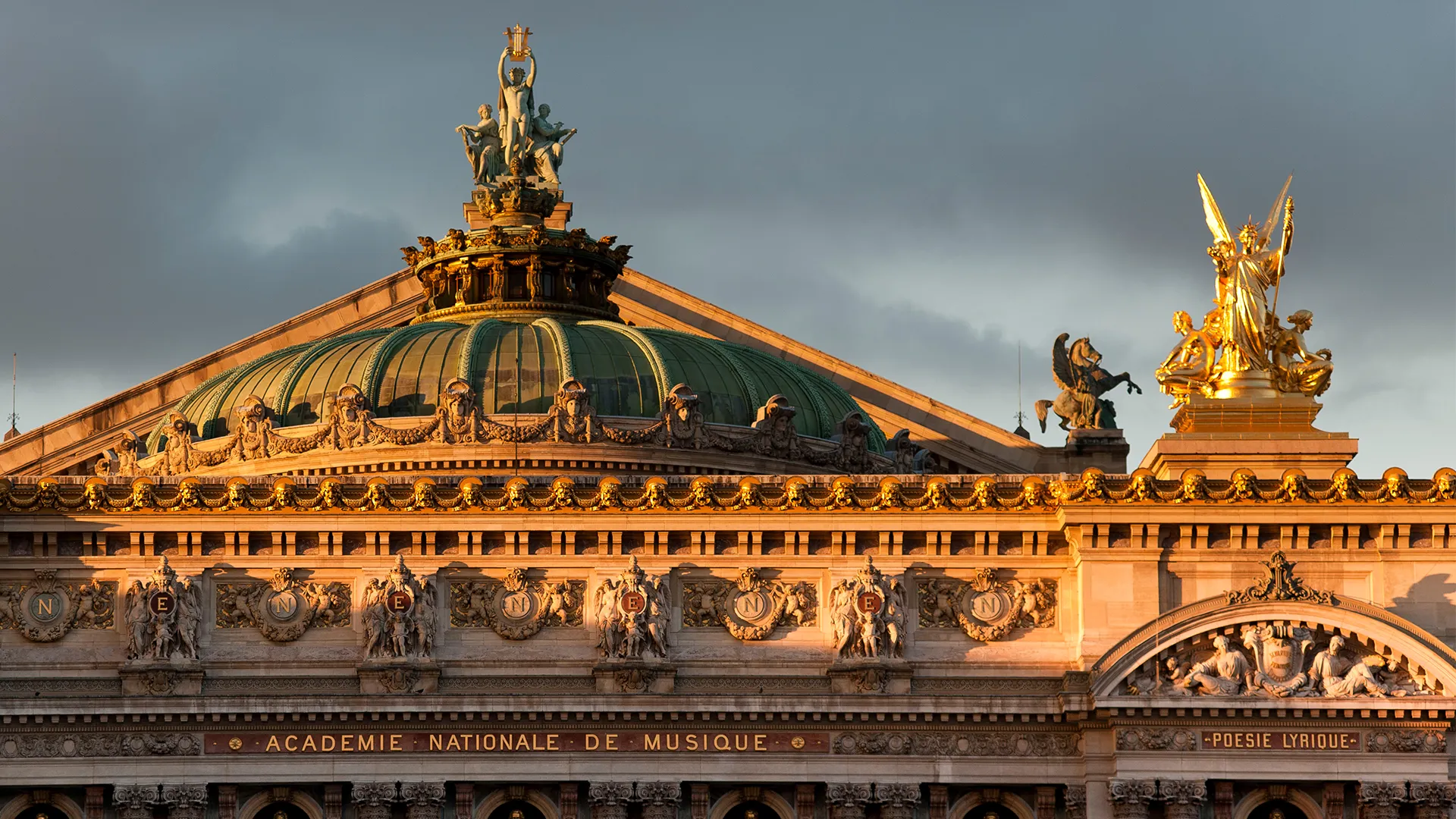
Roofs, Statues, and Views: Paris Overhead from Garnier
Explore rooflines and statues—how sculptural silhouettes meet sky and the city opens in panoramic views.
→
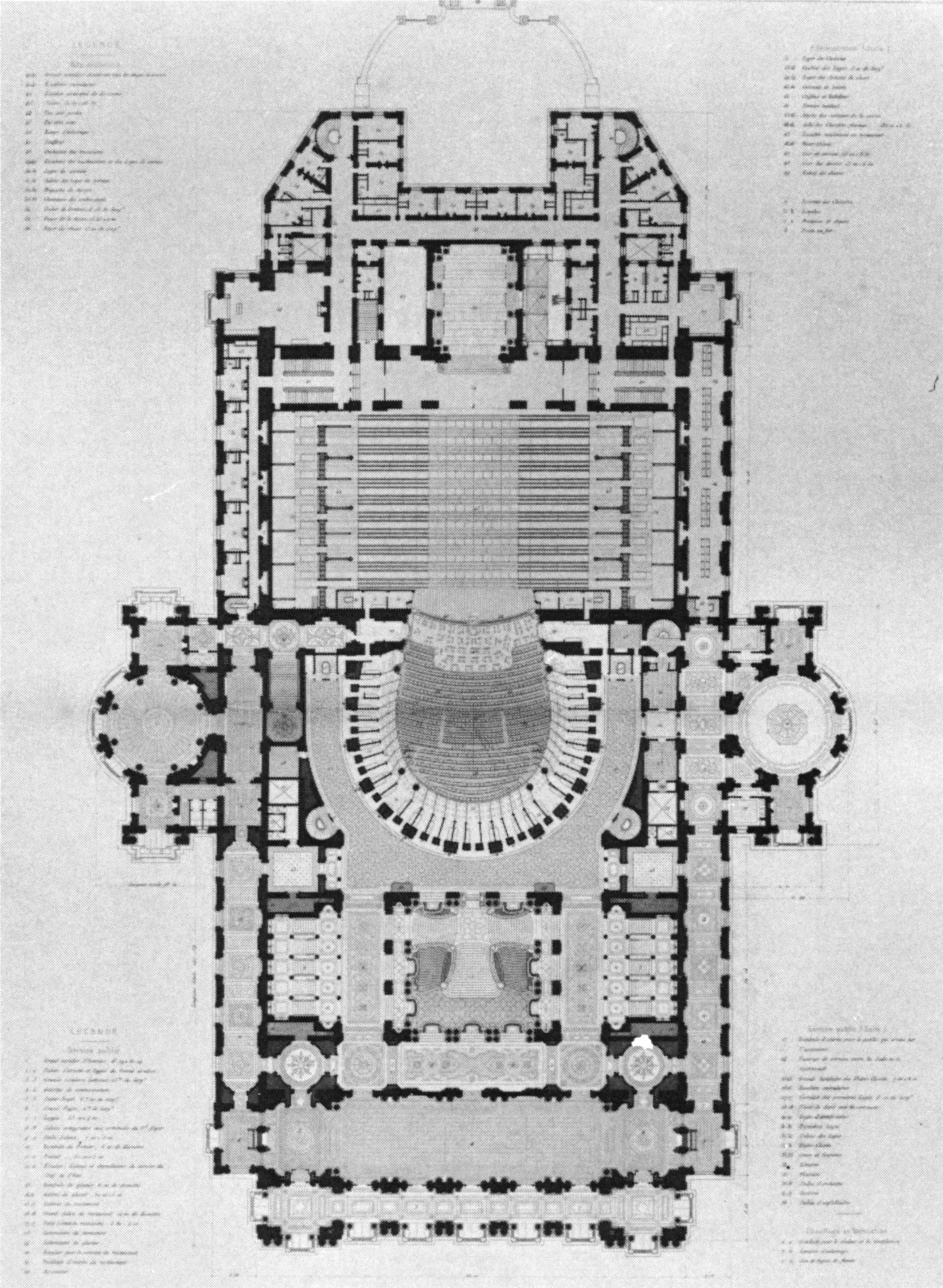
Itinerary: See the Palais Garnier Essentials in 90–120 Minutes
Short on time? Follow a focused route through grand foyer, staircase, auditorium, and roof views without rushing.
→